
All Activity
- Last week
-
 Stefano Piallini joined the community
 -
 Ryan Staniland joined the community
 -
 When Unichef was first set up our aim was to ensure a different type of Union to that of any other. This also applies to our rules on transparency and how the National Chefs Union is ran and organised. Although the day to day operations are conducted by the Executive He/she is held accountable by independently appointed Directors who oversee the work, accounts and well management of the Union. Full members have the right to challenge and question the way Unichef conducts the Union and have the right to complain through the directors, who are the eyes and ears of our members and are there to see that members rights are upheld and complaints dealt swiftly and fairly. Whilst the Union continues to grow and flourish, how we attend to the issues of accountability and transparency will become more important and the Union must and always be seen to be accountable to its members in every respect. Sections within our written constitution (Official Union Rules) provide ample reassurance of that accountability whilst maintaining the balance of security from those wishing to infringe on that constitution. In all, members can be assured that their rights to accountability and quality of governance is set within the constitution and that the Union will continue to remain accountable and transparent at all times.
 -
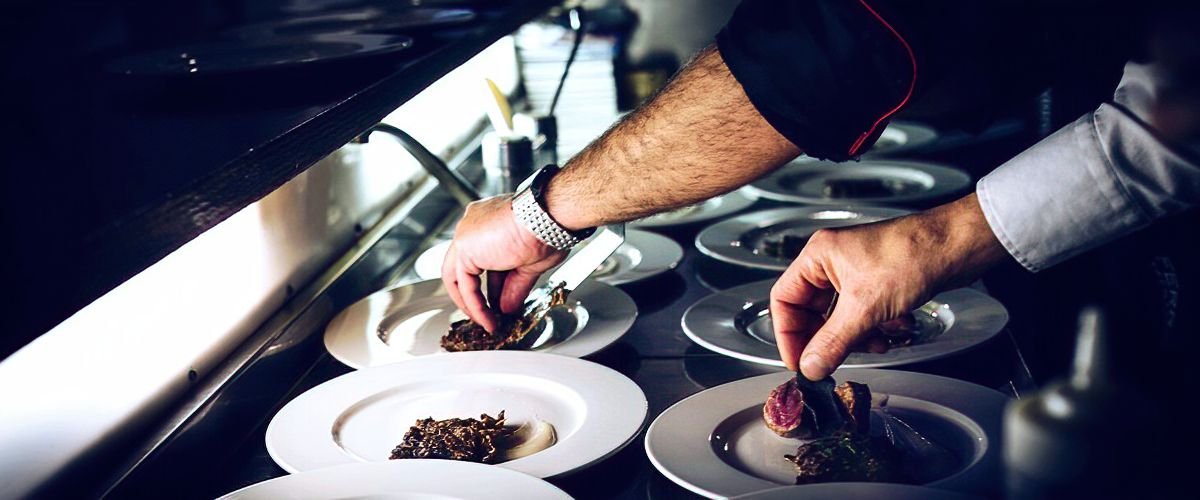 A revolution in working practise is about to impact on our industry and change the way employers engage with their workforce is about to happen, starting in April 2020. In 2018 the Government commissioned an independent report by Mathew Taylor on how to modernise and inspire the British workforce and its findings and recommendations have sent shock-waves through the Catering Industry. The principals are to create a British workforce fit for the 21st Century, a workforce that is inspired to do better and to produce more through Employer engagement, improved working conditions and care in the workplace as well as improved regulation and a new Regularly body to police these laws. Each Industry has its own unique issues and the Catering Sector is no different. Chefs have suffered for many years from inequality and discrimination, especially in multi departmental establishments, such as Hotels where, clerical staff, reception and HR are all treated differently in terms of facilities and contracts. This will all soon come to an end. Almost all of Mathew Taylor's recommendations have been accepted by the Government and the departments responsible are busy drafting the necessary legislation which is likely to come on stream bit by bit until the full report is enshrined in Law. These include ... Work Committees The right to have “workers committees” which will apply to businesses of 15 employees or more or 2% of the workforce. The Committee's will be encouraged to engage with their employer in ways never seen before. The committees will work with their employer who MUST engage in discussions and set up regular meetings to discuss all aspects that involve the workforce. Employers will be encouraged to seek ideas and put forward proposals to inspire and reward their workforce as part of the Government’s Good Work Plan. The Employer must encourage and act upon agreed grievances and consultations. Zero Hours. Those on Zero Hour Contracts, have at last been recognised. Whilst Zero hours has been useful to some, to many it is a huge lack of insecurity and the report recognises this. The discrimination of Zero Hours will end. Those on ZH for more than a year must be offered a permanent contract and those working add hock hours will be allowed to ask for a “minimum” working schedule. Zero Hours will come under the new heading of “one sided flexibility” where contracts that favour the Employer will be seen as discriminatory. So too will the abhorrent practice of prematurely ending of agreed shifts. Shifts that are cut in the middle of a working day when business is low, and workers are sent home without notice. This practise will cease, and business’s will be required to Re-work their business model in order to accommodate this. Split Shifts ( one sided flexible working ) Unique to the Hospitality Industry, Split shifts have long been used primarily for the benefit of the Employer. This totally unnecessary and abhorrent practice will also cease in places where the business operates normal straight shift patterns within its Company. Offering split shifts to Chefs and waiters whilst administrative and managerial staff are offered straight shifts will be discriminatory. Designated Policing The Government have also accepted the need for a designated Ombudsman solely to deal with issues arising from this legislation including hotlines for complaints. Conclusion In all, the most radical and positive work-related proposals in a generation. A chance to end the abuse and discrimination seen daily in kitchens every day and an exciting way forward for new chefs coming into the profession.
 -
 From time to time, we all experience an issue at work, sometimes its small and sometimes it’s beyond our scope and we need advice on moving forward. Unichef is here to help in any way we can but often its best to do a bit of homework first before you contact us so that you save us time in explaining things in detail. There are many links on our homepage that can give you very accurate help and advice before you feel the need to contact your Union. Since the pandemic, Unichef still runs on a small team of support staff and it helps us enormously if we are not on telephone calls all day, therefor SMS is a huge part of our routine and helps us get to issues much more quickly. If you are emailing us, that’s fine but please DO NOT send us documentation or try to explain what your issues is. It is much better and quicker if you let us ask the precise questions so that we can filter your grievance accordingly and escalate it quickly if necessary. 99% of all messages are answered within 24 hours, often quicker if your a member. Most queries that we get can be sorted easily and quickly and having such a filter system means that we can spend more time on more serious matters. You will always find us willing, friendly and supportive but please remember, we are also chefs and we call it the way it is, we have mountains of experience and if you’re in the wrong we will let you know, (as gently as we can). Here is a simple guide to help you. Firstly,visit the links and helplines below,they are often a great source of information which will help you decide how you deal with your issue. Next,contact us using the buttons at the bottom of this and every webpage.Please DO NOT send us any documentation at this stage,when we need it we will ask for it. Next,in the contact box tell us very simply what you issue is IE " I have been dismissed "I have been bullied "etc. Once we have your contact we will acknowledge your issue and make arrangements with you to discuss things in more detail.This will be through SMS or email only at this stage. Advice Lines https://www.acas.org.uk/advice https://landaulaw.co.uk/ https://www.advicenow.org.uk/
 -
 Q: Who owns Unichef A: Our chefs, that's right, every member of Unichef owns a unique part of this very special Union, you are a member for life, and your share in it remains until you resign. Q: Can I sell my share A: No, the share (stakeholding) is unique to you and cannot be transferred Q: Who is the Head of Unichef A: Our current Executive Director is Brian Mcelderry an experienced International Executive Chef and businessman. Q: What does he do A: The Executive is there to ensure that Unichef stays financially sound and adheres to the Constitution (bible) of its members. Q: Who does he answer to A: He is in charge of all day-to-day matters but answers to the Board of Directors, who are the Members' Representatives. Q: Can Unichef help me with my work issues A: Of course, we have experienced councillors who can support you or direct you to the appropriate support network. Q: Can Unichef be with me at a disciplinary hearing A: Unfortunately, no, but on most occasions (unless it is very serious), this isn’t needed or required as Union reps are normally there without involvement in the case. We can (if required) attend remotely, provided we have sufficient notice. As a case progresses, we may need to attend tribunals, court, and case meetings, but again, this is rare; most issues are resolved before these stages. Q: Can Unichef represent me in a Tribunal A: Absolutely, we work just like a normal Union in many respects, but with some important differences. Q: What are the differences between Unichef and a “normal” Union A: Unichef is 100% owned by its members, it’s totally independent and completely non-political, and it is solely for chefs; there is no other Union quite like it. It is a "Community Union," the very first of its type anywhere. Q: What happens to the money members pay A: All our funding and spending is tightly controlled and is overseen by the Board of Directors and the Government Ombudsman, who are the “eyes and ears” of the Members. Unichef is a “not for profit” organisation and its main aim is to inspire, support, educate, and give a voice to chefs in the UK. Most of the finance is spent on making sure we have a good core structure to our Union, that we always have sufficient funds to meet its expenses and obligations. Thereafter, the Directors have a say in how surplus funding (if any) can be spent on behalf of the members. Q: What is a C.I.C A: Unichef is a Community Interest Company, similar to a Charity but without the restraints of a charity, which allows us to work in the special way we do. It’s a mix between a charity and a business, run as a Social Project but managed as a Non non-profit making business.Unichef aims to educate and inspire our Chefs in a way no other Union can, whilst working together with partners and Employers in our industry to build a better, more supportive culinary community. Q: How do I contact Unichef A: Initial Contact is through our "contact section" on our website or you can message us on our dedicated WhatsApp number 07359 436285. Phone calls are NOT accepted and are by appointment only. Alternatively, you can contact us 24/7 at our email address admin@thechefsunion.co.uk Q: How do I request support? A: Simply contact us through our website contact section ( this is quicker). All requests are dealt with within 24hours and we will always reply to you.DO NOT send documents or lengthy statements at this stage; we only want the bare facts of your issue, so please be brief. DO NOT use AI-generated information. Set your notifications to respond to us quickly, and please follow our instructions carefully
 -
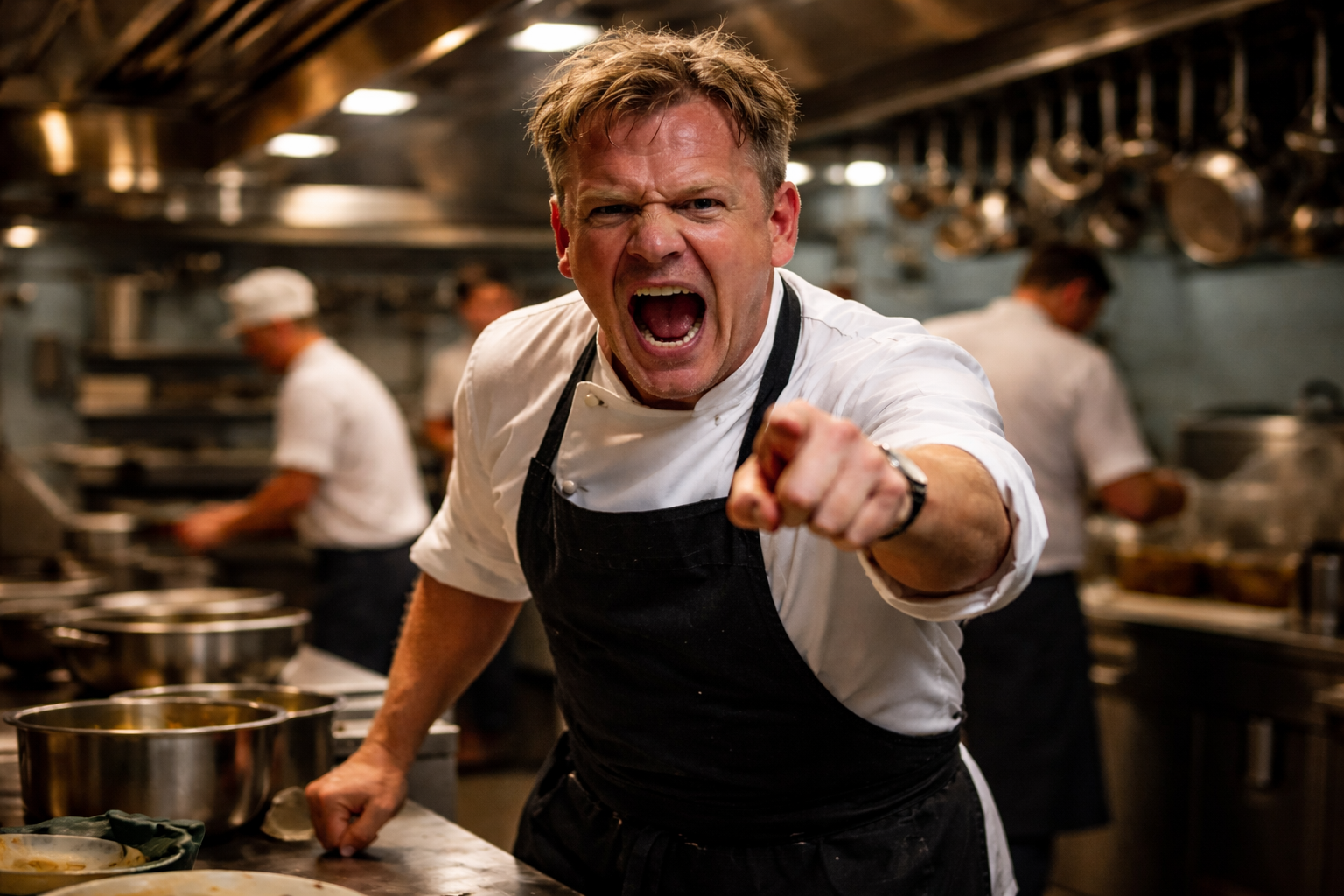 Shocked… Not Really: Why Abuse in Professional Kitchens No Longer Surprises Anyone Recent revelations surrounding René Redzepi and the culture inside the world-renowned restaurant Noma have caused headlines across the food world. Many observers have expressed shock at reports of harsh behaviour, intimidation and verbal abuse within elite kitchens.Within the hospitality industry, however, the reaction has been rather different. Shocked? Not really. For many chefs and hospitality professionals, the behaviour described is not new, unusual, or even surprising. It is part of a culture that has been quietly tolerated and in some cases openly celebrated — for decades. The Normalisation of Abuse in Kitchens The modern professional kitchen is still heavily influenced by the old brigade system, a military-style hierarchy designed to ensure discipline and efficiency during service. In theory, the system promotes order. In practice, it has too often created environments where: shouting is considered leadership humiliation is considered training intimidation is considered motivation Young chefs entering the industry quickly learn that enduring harsh treatment is seen as a rite of passage. Many accept it because they believe “that’s just how kitchens work.” When Bullying Became Entertainment No discussion of this culture can avoid the influence of Gordon Ramsay. Ramsay’s television career built a global brand around explosive kitchens, aggressive leadership and public humiliation of chefs and contestants. Programmes such as Hell's Kitchen turned shouting, swearing and intimidation into prime-time entertainment. For millions of viewers, this became their primary image of what a professional chef looks like. Ask someone in the street to name a famous chef and many will say Gordon Ramsay. Ask them what he is known for, and the answer is rarely cuisine. It is usually bullying, shouting and swearing. What was once an internal kitchen culture became mainstream entertainment, and in doing so it helped normalise behaviour that would be unacceptable in almost any other workplace. The Role of Industry Gatekeepers There is also a deeper structural issue within fine dining.Institutions such as Michelin Guide and the AA hold enormous influence over chefs’ careers. Michelin stars can determine whether restaurants succeed or fail.Yet when allegations of abusive workplace culture arise, these institutions rarely intervene Recognition continues to be awarded based purely on culinary output, while the working conditions inside those kitchens often remain unexamined. This raises a difficult question: Should excellence in food excuse unacceptable treatment of staff? At present, the industry’s most powerful institutions appear to think so. A Culture That Reproduces Itself Abuse in kitchens rarely appears in isolation. Many chefs who behave aggressively today trained under mentors who behaved the same way. The behaviour is inherited, repeated and passed down to the next generation,Redzepi has admitted this. If abuse breeds further abuse, then the continued celebration of aggressive leadership inevitably perpetuates the cycle. Add to this: the tattooed “macho chef” stereotype social media trends that glorify aggression a lack of meaningful accountability from industry leaders …and the result is an environment where toxic behaviour can thrive unchecked. Why Unions and Legal Remedies Matter For many chefs, the only meaningful protection now comes through employment law. In the United Kingdom, chefs increasingly rely on: workplace grievance procedures employment tribunals whistleblowing protections union support Where industry culture fails to protect workers, legislation and litigation become the only effective safeguards. Will the Noma Story Change Anything? The situation at Noma has reignited the conversation around workplace culture in elite kitchens.But history suggests that genuine change will require more than headlines. Real reform will only occur when: industry leaders speak openly about abuse prestigious institutions take workplace culture seriously and abusive behaviour carries real consequences Until then, stories like this will continue to emerge,and each time they do, the reaction from many inside the profession will remain the same Shocked...Not really.
 - Earlier
-
 Celebrating Strength, Skill and Leadership: International Women’s Day 2026 Today, on International Women’s Day, we pause to recognise and celebrate the remarkable women who shape the hospitality and culinary industry every single day. At Unichef – The National Chefs Union, this day holds particular meaning because supporting equality, dignity and opportunity in professional kitchens has always been central to our mission. A Changing Industry For decades, professional kitchens have often been perceived as a male-dominated environment, where long hours, traditional hierarchies and outdated attitudes made it difficult for many talented women to thrive. Despite these barriers, women have consistently demonstrated extraordinary resilience, creativity and leadership within our industry. Across restaurants, hotels, schools, hospitals and catering operations throughout the UK, women are now leading kitchens, mentoring teams, developing menus and shaping the future of hospitality. Yet meaningful progress does not happen by accident. It requires support, advocacy and a culture that recognises talent regardless of gender. Unichef’s Commitment to Women in Hospitality From the moment Unichef was founded, we recognised that our union must represent all chefs and hospitality professionals, and that meant ensuring women felt welcome, protected and supported within our organisation. Over the years, we have: Supported female members through workplace disputes and employment issues, ensuring their voices are heard and respected. Challenged discriminatory workplace practices when they arise. Promoted fair treatment, dignity and professional respect for women in kitchens. Encouraged greater participation and representation of women within the union. Highlighted the achievements of female chefs and hospitality professionals across our networks. We have also seen women step forward not just as members, but as leaders, mentors and advocates for others entering the industry. A Remarkable Transformation When Unichef first began building its membership base, women represented just 2% of our membership. Today, we are proud to say that female membership now exceeds 23%, and continues to grow every year. This transformation is not simply a statistic. It represents: Hundreds of talented women choosing to join a union that represents them. A growing sense that the hospitality industry can and should be a fairer place to work. A shift in culture where women feel increasingly confident that their professional rights and wellbeing will be protected. The Strength Women Bring to the Kitchen Professional kitchens thrive on discipline, creativity, teamwork and resilience—qualities that women across the industry demonstrate every day. Women chefs bring not only exceptional culinary talent, but also: Leadership and mentorship Innovation in menu development Strong team culture and communication A commitment to professionalism and standards Many of our female members are also balancing demanding careers with family responsibilities, proving daily that excellence in hospitality and personal life can coexist with the right support. The Work Is Not Finished While progress is real, we recognise there is still work to be done. Women in hospitality still face challenges including: Workplace discrimination or harassment Unequal career progression opportunities Work-life balance pressures Cultural stereotypes about kitchen leadership At Unichef, we remain committed to standing beside every member who faces these challenges. Looking Forward International Women’s Day is not just about reflection—it is about commitment to the future. As we continue to grow, Unichef will: Encourage more women to join and shape the future of the union Continue defending the rights of female chefs and hospitality professionals Promote respect, professionalism and equality in every kitchen Celebrate the achievements of women who inspire the next generation A Message to Our Female Members To all the women who are part of Unichef: Your skill, determination and professionalism strengthen our union and enrich our industry. Whether you are a commis chef just starting out, a sous chef running a section, or a head chef leading a brigade, your contribution matters. Today we celebrate you. And we thank you for helping build a stronger, fairer and more inclusive hospitality industry for everyone. Happy International Women’s Day from Unichef – The National Chefs Union. Women built, and still shape, our culinary culture every day | Food | The Guardian WWW.THEGUARDIAN.COM In kitchens both private and professional, women have been leading innovation for generations – from giving value to domestic traditions to calling out sexism
 -
 Ricardo Parkes joined the community
 -
 Matthew Delves joined the community
 -
 Luke Rayment-Blakey joined the community
 -
 There was a time — not so long ago — when eating in a restaurant was not routine. It was not a weekly convenience, not a default Friday night plan, not an algorithm-suggested delivery,It was an occasion. For many working families in the 1970s, a restaurant meal meant birthdays, anniversaries, or life’s small victories. It carried anticipation. It carried meaning. And perhaps most importantly — it carried value. Today, we are told the restaurant sector is in crisis because fewer people are dining out. Headlines speak of closures. Commentators speak of hardship. Operators speak of survival. But what if what we are witnessing is not collapse — but correction? For years, Unichef has argued that the hospitality sector expanded beyond sustainable demand. Cheap finance, rapid franchising, casual dining chains, and the race for market share created an industry that was not just competitive — but crowded. Streets filled with venues chasing the same customers, at the same times, with increasingly similar menus. Growth became volume-driven rather than value-driven. The pandemic did not create the current contraction. It merely exposed structural fragility that already existed. Now the numbers tell the truth. The UK has lost thousands of restaurants since 2019. Diners are eating out less frequently. Prices have risen. Disposable income has tightened. These are not signs of failure alone,they are signs of market rebalancing. In economic terms, this is natural selection. Businesses that were built on thin margins, heavy borrowing, or unsustainable models will fall away. Those with strong foundations, identity, standards, and loyal customers will remain. This is not cruelty. This is how industries mature. We should also be honest about something rarely said aloud,dining out was never meant to be routine. When a meal out becomes as casual as making toast, something is lost — not only for chefs, but for diners. Craft becomes commodified. Skill becomes discounted. Experience becomes expected rather than appreciated. A restaurant should not have to compete with the price of a supermarket meal deal. It should compete on experience, quality, and memory. When dining returns to being occasional rather than constant, something remarkable happens: Standards rise Craft regains value Diners appreciate the experience more Chefs regain professional pride Businesses can operate sustainably A smaller industry is not a weaker industry,It can be a stronger one.The real question is not,“Why are restaurants closing?”It is:“Why were there so many to begin with?” If policymakers truly wish to support hospitality, the answer is not simply subsidies or temporary relief. It is creating conditions where: Good operators can thrive Skilled professionals are respected Quality is rewarded Sustainability replaces saturation Restaurants are cultural institutions, they bring communities together. They showcase heritage, skill, and creativity.But like any ecosystem, they must exist in balance, Perhaps the future of hospitality is not a return to excess — but a return to meaning. And perhaps that is not a crisis at all, perhaps it is progress? Is eating out too expensive now? Families say higher prices put them off WWW.BBC.CO.UK The restaurant industry says it is facing a double whammy - rising costs and customers with less money.
 -
 Alessandro Piludu joined the community
 -
 Abhishek Chouhan joined the community
 -
 Daniel Hucik joined the community
 -
 AI and Us At Unichef, we have always believed that independence, innovation and practical support go hand in hand. In recent years, one tool has quietly but profoundly transformed how we work: artificial intelligence. AI is not a replacement for people, judgement or lived experience. It is a partner. It opens doors to new ideas, sharper thinking and clearer vision. It allows us to test arguments, explore angles, sense-check decisions and see further ahead than we otherwise could. For an organisation built on problem-solving and advocacy, that matters. In very practical terms, AI has become another lever in our work for members. It supports complex case preparation, helps us navigate ever-changing employment legislation, and assists in structuring correspondence, evidence and strategy. The result is simple but powerful: we can handle more cases, more effectively, without losing the human focus that sits at the heart of everything we do. Time saved on technical labour is time given back to the people who need us most. Our collective knowledge has expanded dramatically. Employment law, process, precedent and compliance can be interrogated at speed, challenged, refined and applied with a depth that would once have taken years to build. In real terms, AI has propelled Unichef forward by several years — not by cutting corners, but by strengthening our foundations. This is not a finished journey. The relationship between Unichef and AI is evolving, learning and deepening every day. Used responsibly, critically and ethically, it is becoming a serious partner in our mission: to protect chefs, to raise standards, and to ensure that no one faces injustice at work alone. AI doesn’t define us — but it empowers us. And used in the right way, it helps us be exactly what we set out to be: innovative, informed, and relentlessly on the side of our members. Oh,and in case your wondering..yes Chat did this as well ?
 -
 Shegufta Noreen joined the community
 -
 Jessica Kershaw joined the community
 -
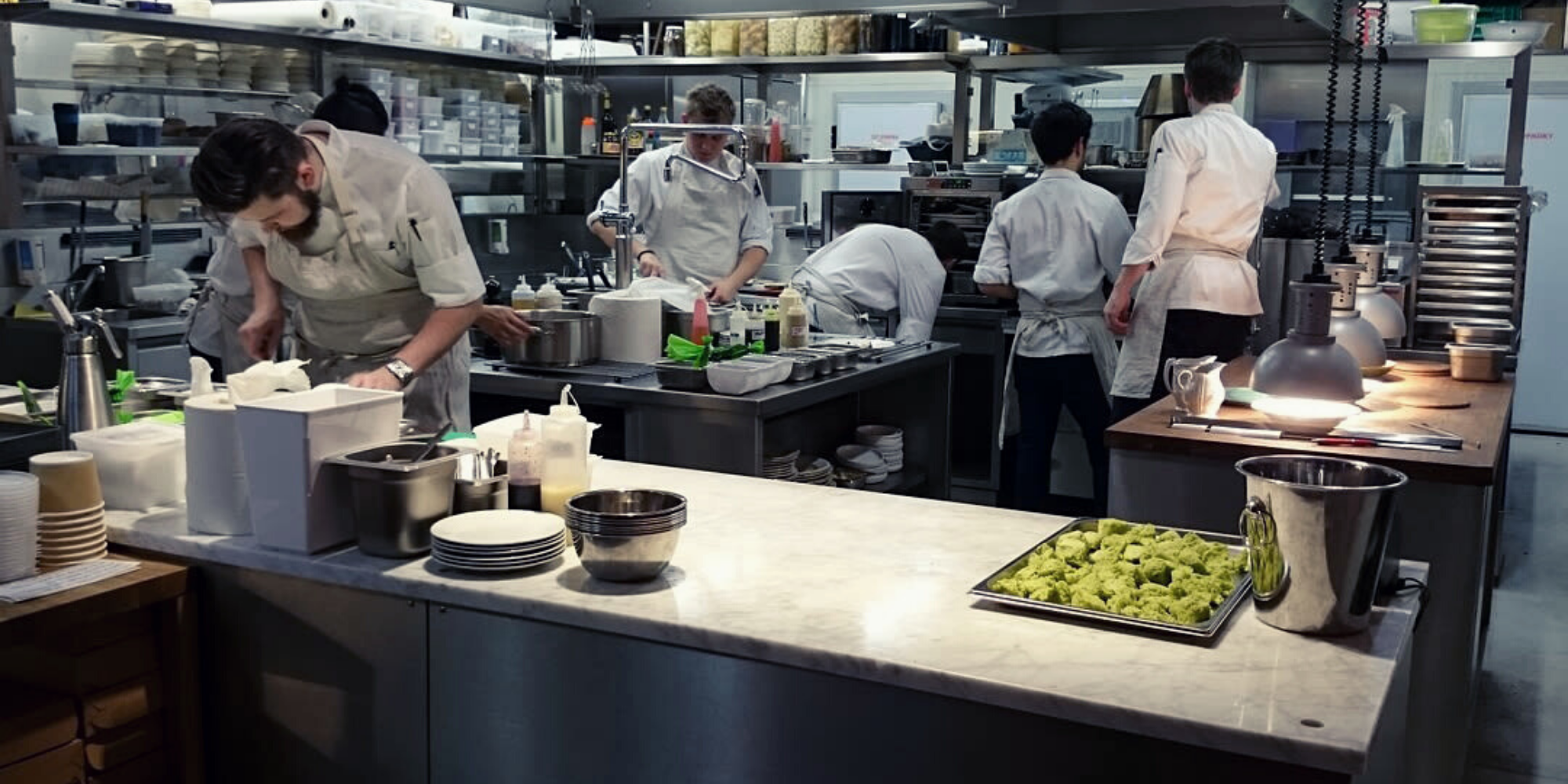 2026: A Year of Progress, Protection and Purpose As we step into 2026, Unichef enters the year stronger, clearer in its mission, and more determined than ever to protect and advance the working lives of chefs across the UK. The year ahead is not about slogans or soundbites — it is about delivery. About turning hard-won experience into meaningful change for members on the ground, in kitchens, hotels, care homes and catering operations nationwide. A Union That Stands Firm In 2026, members can expect Unichef to continue doing what it does best: standing up when it matters most. We will remain visible, vocal and unafraid to challenge unfair dismissals, unsafe working practices, bullying cultures and procedural failures — whether that is through early resolution, formal representation, or litigation where necessary. Our growing casework, tribunal successes and negotiated outcomes have already shown what a focused, specialist chefs’ union can achieve. That momentum carries firmly into this year. Raising Standards — Not Just Defending Rights 2026 also marks a shift from reactive to proactive unionism. This year sees the expansion of Unichef’s work with employers who genuinely want to do better — setting clear expectations around fairness, respect, legal compliance and workplace dignity. Our work is no longer just about challenging poor practice, but about recognising and encouraging good employers who value chefs as professionals, not commodities. This approach protects members, stabilises workplaces, and strengthens the profession as a whole. Support in a Changing Industry The hospitality industry is evolving rapidly — immigration sponsorship, agency practices, skills shortages, rising costs and pressure on public services all affect chefs directly. In 2026, Unichef will continue to: Scrutinise emerging employment practices Challenge exploitation and wage suppression Speak openly about the wider social impact on housing, health and job security Ensure chefs — British and migrant alike — are treated lawfully and fairly Our position is simple: fairness for one group must never come at the expense of another. A Stronger Union, Built for the Future Behind the scenes, 2026 is also a year of consolidation and preparation. Governance, structures and systems are being strengthened to ensure Unichef remains independent, credible and resilient for years to come. This work may not always be visible — but it is essential. A union that plans for the future is a union that can protect its members when it counts. What Members Can Expect Above all, members can expect consistency: Clear advice Honest representation Measured but fearless advocacy A union that understands kitchens — because it comes from them Unichef enters 2026 not chasing headlines, but quietly building something stronger: a union that chefs can rely on, trust, and be proud to belong to. 2026 is not just another year. It is a year of purpose — and of progress.
 -

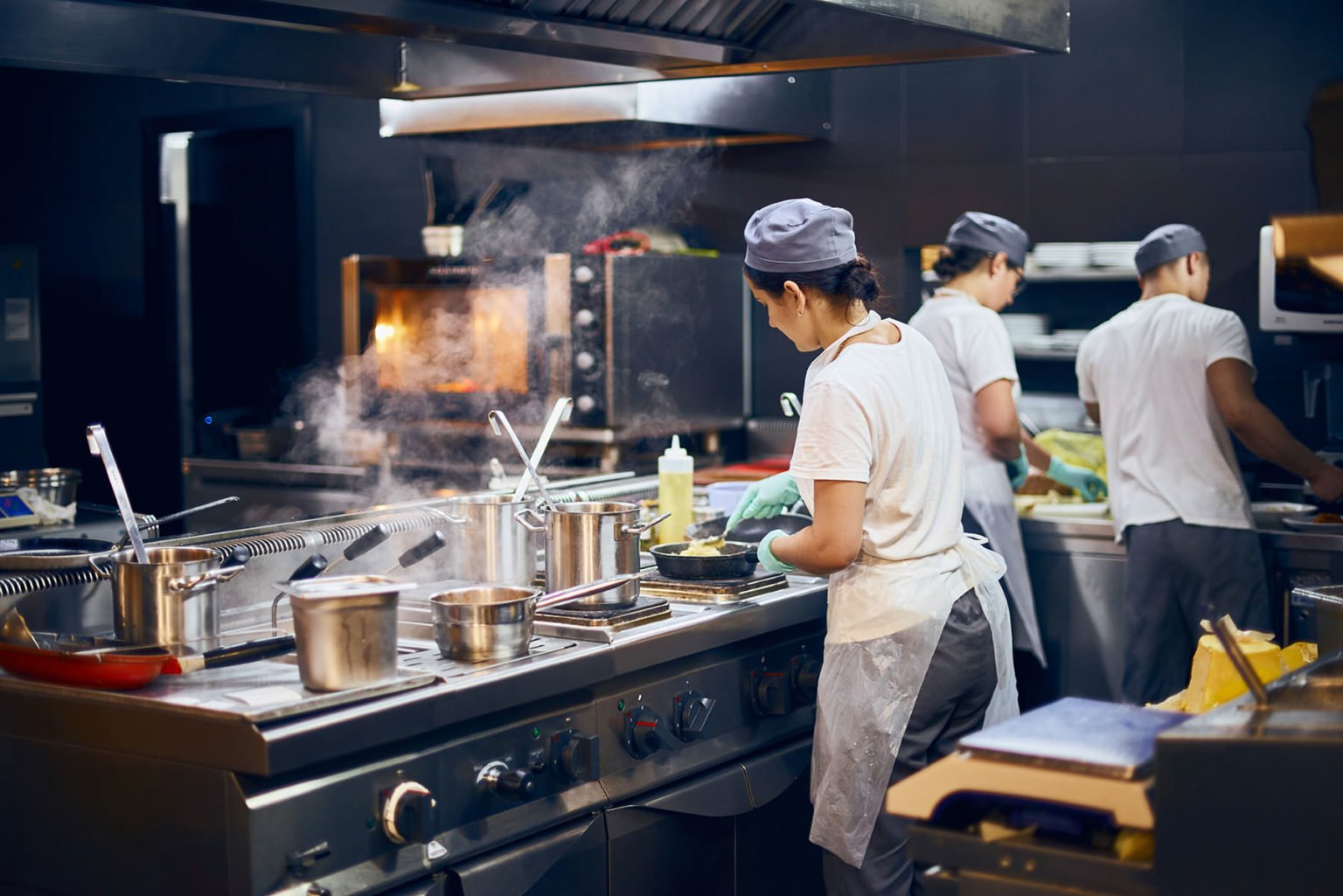 The UK hospitality industry has long benefited from the skills and dedication of migrant chefs, and Unichef continues to value their vital contribution to our sector. However, Unichef is increasingly concerned about the rapid expansion of immigration sponsorship within the hospitality agency industry, and the impact this is having on chefs, wages, and workforce security. Immigration sponsorship was designed to fill genuine skills shortages through stable, permanent roles. In some cases, it is now being applied to agency-based labour models built on flexibility and short-term placements. This has created situations where sponsored chefs are offered full-time, fixed-hour contracts, while other chefs — including British and nationalised workers — remain on zero-hours or insecure arrangements, despite doing the same work,we belive this to be a form of indirect discrimination. This risks creating a two-tier workforce. While immigration rules may require guaranteed hours for sponsored workers, that requirement should not be used to justify the routine denial of secure employment to other chefs. Where nationalised or settled workers are excluded from full-time opportunities, serious questions arise about fairness and the potential for indirect discrimination. Unichef is also concerned about the wider effects on pay and conditions. Ready access to sponsored labour can reduce pressure on employers and agencies to improve wages, invest in training, or offer permanent roles, contributing to wage suppression across the sector. There are broader social impacts too. Increased reliance on sponsored labour, without coordinated planning, adds pressure to local housing markets and public services, including the NHS. These challenges are not caused by migrant workers, but by policy choices that prioritise short-term labour solutions over long-term workforce sustainability. Unichef is equally concerned about the position of sponsored workers themselves. Visa-linked employment can create dependency and vulnerability, limiting a worker’s ability to challenge unfair treatment, refuse unsuitable shifts, or move freely within the labour market. A system that relies on fear of visa loss to maintain workforce compliance is not ethical, and it is not compatible with a profession that values skill, safety, and dignity. What Unichef is calling for is balance and fairness. Immigration sponsorship must not become a mechanism for casualising the wider workforce or sidelining nationalised and settled chefs from secure employment. Agencies that can offer full-time, fixed roles to one group should not routinely deny the same opportunity to others doing identical work. Sponsorship must be used to address genuine shortages, not to entrench inequality or suppress wages. Unichef believes in a fair, ethical, and sustainable hospitality industry. Immigration sponsorship must be used responsibly, with proper oversight, and must not become a tool for casualising work, suppressing wages, or dividing the workforce. We will continue to stand up for all chefs — migrant, nationalised, and domestic — and to campaign for a sector built on fair pay, secure work, and professional respect. Unichef – Supporting Chefs. Championing Fairness. Building the Future.
 -
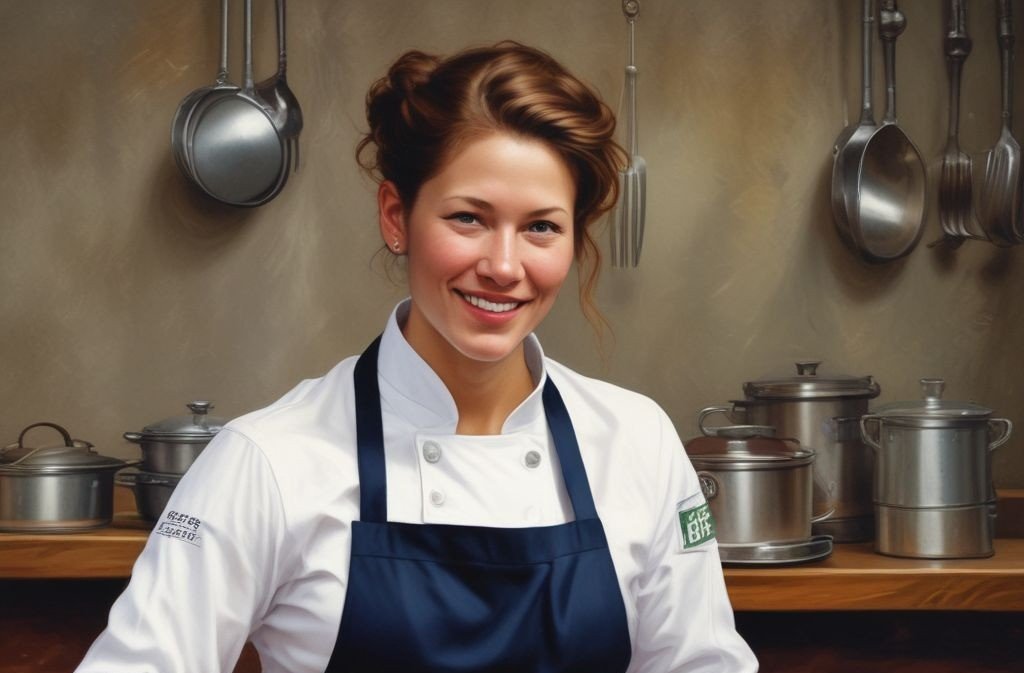 A Landmark Victory for Justice: Unichef Stands With Chef Victoria Barker Unichef is proud to share the news of a significant and hard-fought victory in the case of Victoria Barker, who has successfully proven she was unfairly and wrongfully dismissed from her role as a chef at Grange Lea Care Home.https://assets.publishing.service.gov.uk/media/685e5b5ee44db4975be00b1c/Victoria_Barker_-vs-_Orange_Care-Grange_Lea_Ltd_-_1402352.2024_-_Judgment.pdf This outcome was not simply a legal win; it was an act of restored dignity and recognition of truth. Victoria had served the organisation for five years, with an exemplary record and consistent praise for her skill, dedication, and professionalism. During the hearing, both her former employer and line manager described her as a “fantastic chef” and openly acknowledged that her talent and reliability had been pivotal to the running of the kitchen. Yet despite this, she was dismissed in a process that fell far below lawful and fair standards. The Tribunal found that the employer failed to carry out any meaningful or fair investigation and denied Victoria the procedural rights that every employee is entitled to. In recognition of these failings, the Tribunal imposed the maximum 25% penalty uplift under the ACAS Code, a measure reserved only for the clearest and most serious departures from fair conduct. Victoria’s dismissal was not justifiable, and the Tribunal recognised that. But the significance of this case goes beyond the legal findings. Victoria’s journey has been one of courage, resilience, and determination. She endured not only the emotional strain of losing her position and her professional identity, but also the stigma and stress that followed. Where many would have felt pressured into silence, Victoria insisted on standing up — both for herself and for every chef who has been treated without fairness, understanding or respect. It takes enormous bravery to confront injustice when you are already struggling. Victoria did exactly that. Unichef stood with Victoria from the beginning. We prepared the case, we challenged the employer’s assertions, we exposed the failures in process, and we remained present at every stage. This outcome demonstrates the difference that strong, independent, specialist representation makes. We are not a passive membership organisation. We are a voice, a shield, and when necessary — a force. This case sends a clear message to the hospitality and care sectors: Chefs are professionals. They deserve respect. They deserve lawful treatment. And they deserve fair process. Where these standards are ignored, Unichef will act, and we will continue to act — decisively, publicly, and without compromise. Victoria’s victory now stands as an example to others who have been mistreated or dismissed without justification. It shows what can be achieved when a worker refuses to be silenced, and when a union stands behind them without hesitation. To Victoria: Your courage has changed more than your own story. You have helped change the industry. You have shown that dignity is worth defending. And we are honoured to have stood with you. This is not just your victory — it is ours, together. Unichef – The National Chefs Union CIC Defending chefs. Strengthening our profession. Changing the culture of kitchens for the better.
 -
.png.a460f3ad421f6bed3a27056d399928f3.png) Quite an astonishing Tribunal decision in the case of a Job candidate who was denied the position simply because the management didn't think she would "fit in " with the team spirit? The Judge in question decided that if an applicant doesn't fit the profile currently enjoyed within an establishment, then the hirer has the right to refuse an application,which leads to all sorts of issues. For example,if the team are generally all Geordies, supporting Newcastle United,the hirer now has the right to exclude all Sunderland applicants, and so the list goes on, purely on the basis that they could cause "disharmony" within the establishment. This is a remarkably bold decision, and we expect an appeal. However, if it stands, you can look forward to advertisements excluding various types of chefs who the propriator feels would bring disharmony to the team by simply supporting another football club or a different culture to the one present. Another example would be if the kitchen in question is dominated by Heavy Metal devotees, candidates could now be vetted to see what music they prefer, what football team they support or even if they smoke, the list goes on. This is a hugely dangerous precedent,and one I'm sure will cause great debate. Does being an AC/DC fan or being an Arsenal supporter now come before your ability to cook ? Denying someone a job over football allegiances is ‘perfectly lawful’ UK.NEWS.YAHOO.COM Football fans can be legally denied jobs if current staff support a rival team, a judge has ruled.
Quite an astonishing Tribunal decision in the case of a Job candidate who was denied the position simply because the management didn't think she would "fit in " with the team spirit? The Judge in question decided that if an applicant doesn't fit the profile currently enjoyed within an establishment, then the hirer has the right to refuse an application,which leads to all sorts of issues. For example,if the team are generally all Geordies, supporting Newcastle United,the hirer now has the right to exclude all Sunderland applicants, and so the list goes on, purely on the basis that they could cause "disharmony" within the establishment. This is a remarkably bold decision, and we expect an appeal. However, if it stands, you can look forward to advertisements excluding various types of chefs who the propriator feels would bring disharmony to the team by simply supporting another football club or a different culture to the one present. Another example would be if the kitchen in question is dominated by Heavy Metal devotees, candidates could now be vetted to see what music they prefer, what football team they support or even if they smoke, the list goes on. This is a hugely dangerous precedent,and one I'm sure will cause great debate. Does being an AC/DC fan or being an Arsenal supporter now come before your ability to cook ? Denying someone a job over football allegiances is ‘perfectly lawful’ UK.NEWS.YAHOO.COM Football fans can be legally denied jobs if current staff support a rival team, a judge has ruled. -
 OMG, still getting chefs telling us they are working 60,70 plus hours for a single salaried pay each month! Wow, this HAS to stop. Be strong and put your foot down on this right now. If you are reading this, please read on. It's a clear guide to what you should be earning.If you are not being paid for those extra hours, then you are being screwed, and you need to do something about it fast. Remember, this just doesn't just affect your monthly wage, it also affects your holiday pay and pension entitlements. What is the Working Time Directive? The Working Time Directive is a law that sets rules to protect workers' health and safety by limiting how much they can work. 🏴☠️ UK Position (2025) – What are the main rules? 48-hour limit You can’t be forced to work more than 48 hours per week (on average), unless you choose to opt out. Opt-out You can choose to work more than 48 hours by signing a form.(it does not mean you work extra hours for the same pay) You can’t be forced to sign it. You can cancel the opt-out later by giving notice. Rest breaks 20-minute break if your shift is over 6 hours. 11 hours rest between working days. 1 day off per week (or 2 days off every 2 weeks). Paid holiday You get at least 5.6 weeks’ paid holiday per year (that’s 28 days if you work 5 days a week). ⚠️ Key Point: The WTD is about limiting your hours and giving you rest – It does not say you work for free after 48 hours! You must be paid for every hour worked, even if you sign the opt-out. ❌ Common Myth: “If you sign the Working Time Directive (WTD) opt-out, you agree to work as many hours as needed for a set salary — no extra pay.” ✅ The Truth: Signing a WTD opt-out only removes the 48-hour weekly limit. It ONLY means that you agree to work MORE than 48hours, NOT 50,60,70 plus hours for the same salary. It does NOT: Remove your right to be paid for every hour you work Mean your employer can make you work open-ended hours with no limit Override the National Minimum Wage law Cancel out your contractual rights 📌 Example: Let’s say: You’re contracted for 45 hours at £12/hour → that’s £540/week. You work 75 hours, and you’ve signed the WTD opt-out. You must still be paid for the extra 30 hours unless your contract clearly includes them and you’re still earning at least minimum wage across all hours worked. ⚠️ Risk for Employers: If they: Pay a flat salary Expect open-ended hours Don’t pay for extra time And that brings pay below minimum wage → They could be breaking the law. HMRC can investigate. Workers can claim unlawful deduction of wages or minimum wage breaches. 🧾 Summary: Myth Truth Opt-out = work all hours for salary ❌ No, you must still be paid fairly Opt-out = unpaid overtime ❌ No, pay is still owed unless contractually agreed and legal Opt-out = no rest or holidays ❌ No, rest breaks and holidays still apply
 -
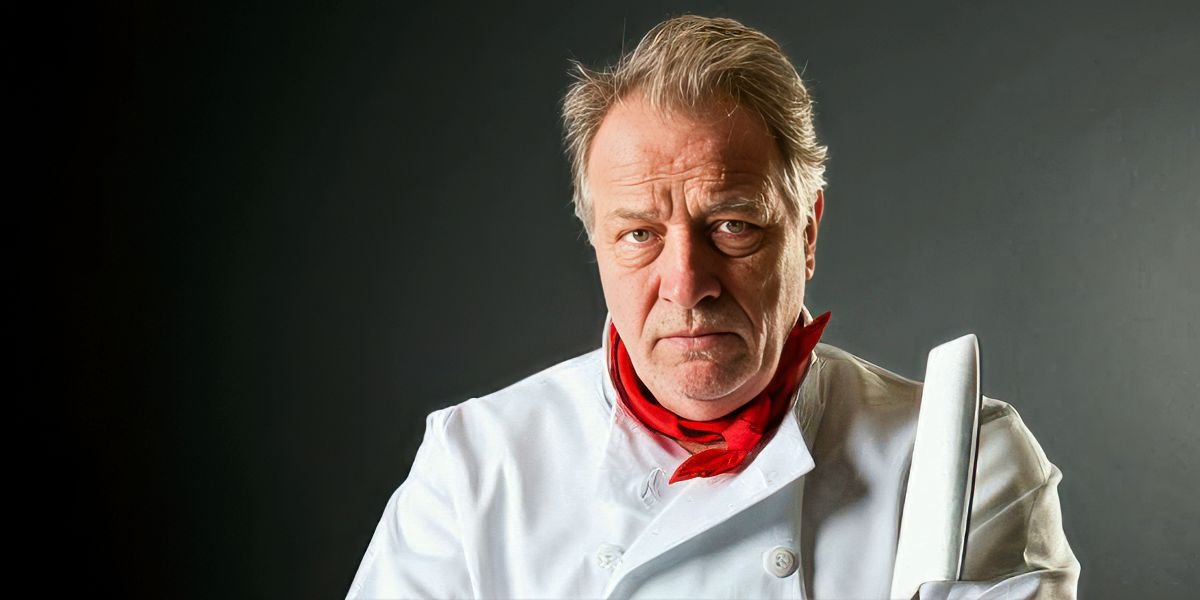 An Open Letter to Head Chefs: Leadership, Responsibility, and the Legal Duty to Protect Your Team Dear Head Chef, We write to you as a leader. A figure of authority, influence, and example in one of the most demanding professions in the UK. With that role comes enormous responsibility — not just for the quality of your kitchen’s food, but for the welfare of the people who prepare it. It has come to our attention that an increasing number of kitchen workers — chefs, KPs, and other hospitality staff — are experiencing bullying, intimidation, and harassment. In many cases, these behaviours are either carried out or enabled by those in senior positions. This letter is a clear and direct reminder: you have a legal and moral duty to protect your staff. Your Role Is Not Just Culinary — It Is Legal As Head Chef, you are not exempt from employment law. Your position gives you heightened accountability. You are expected to know better — and to do better. If you are: Shouting, swearing, or humiliating junior staff Belittling, excluding, or ignoring team members Creating a culture of fear, anxiety, or silence Allowing others to bully or harass without consequence Then you are not leading — you are abusing your authority. The Law Is Clear: Under the Health and Safety at Work etc. Act 1974, you have a duty to protect your team from both physical and psychological harm. Bullying and intimidation breach this duty. Under the Equality Act 2010, you must not harass or discriminate against staff based on age, race, sex, disability, religion, sexual orientation, or other protected characteristics. Under the Protection from Harassment Act 1997, repeated or threatening behaviour can result in civil claims or criminal prosecution. “Kitchen culture” is not a defence. The law does not recognise tradition over accountability. This Is Your Warning Unichef supports all hospitality workers who face bullying, harassment, or abuse — even when they are not yet ready to raise a formal grievance. We act as a shield for those who feel powerless or afraid. If we become aware of abusive behaviour from a Head Chef, we will support the victims. We will document, escalate, and act. You may face: Formal grievance proceedings Tribunal or civil claims Disciplinary action Reputational damage Staff resignation or refusal to work under you Leadership Means Responsibility Your kitchen reflects the standard you set. Respect is not weakness. Discipline is not cruelty. Fear is not leadership. If you recognise your behaviour in this letter, now is the time to change. Before others change it for you. Your actions affect real people with real lives. You are being watched — and your team deserves better. We urge you to lead with professionalism, integrity, and humanity. Sincerely, Unichef – The National Chefs Union Standing for dignity, safety, and respect in every kitchen.
 -
 The Black Forest case has been decided, and our chef won her case hands down, in a massive victory. The Court decided that she had been "substantively" unfairly dismissed and that a second charge of Wrongful Dismissal was also upheld. We are hugely delighted for our chef Victoria Barker, who now stands to gain a substantial compensation award when we have the remedy hearing in September. The case has highlighted many issues with the lack of training and qualifications needed to ensure good allergen practice. During the case, we have seen Unichef vocal to both the local EHO and the FSA over the lack of transparency in Allergen responsibility. The Employer had held that the Chef had sole responsibility In recording allergen information and ensuring allergen safety. Unichef fought this vigorously, knowing that a part-time chef could not be held responsible for what happened during her absence from the workplace and that the line management was indeed the custodial guardians of all health and safety systems and practices within the unit. Simply passing the buck was never acceptable. We did everything possible to mediate with the Employer. Still, he refused to see reason and the impossible odds against him winning the case, once again, pride and sexist ignorance overtook common sense. We also had the pleasure of winning against the toughest of all HR solution companies, Peninsular, who dominate our industry with HR advice and protection to employers at high cost. This has been a very long and exhausting case, which has tested Unichef to its fullest. A year's work of meticulous planning has brought success on a massive scale, with the judge fully vindicating Chef Victoria on every count. The Employer, Orange Care -Grange Lea ltd had fabricated allegations that could not be proven, destroyed evidence and even tried to deceive the court in a trial that astonished the judge with the careless audacity that they had in even defending the case against the huge and overwhelming arguments that Unichef put forward on Chef Victoria's behalf. This was truly a case that should never have come to Court but for the narcissistic attitude of its Director, who simply wanted to destroy a loyal and conscientious employee of 5 years’ service. His folly will now cost him dearly. Once again, the National Chefs Union has stood by its member all the way and will do so again when our chefs are so clearly victimised as Victoria was. Victoria is a wonderful person and a hard-working chef, and we are delighted that she now has the chance to rebuild her life This is yet another massive victory for Unichef and shows the power that the National Chefs Union can have against dreadful employers when Chefs dare to stand up. You can now read the full transcript of the Judgement here. https://assets.publishing.service.gov.uk/media/685e5b5ee44db4975be00b1c/Victoria_Barker_-vs-_Orange_Care-Grange_Lea_Ltd_-_1402352.2024_-_Judgment.pdf
 -
 The Case of the chef who was accused of not updating an allergens list and was then dismissed has now ended after what was a very long and exhausting trial. The case has now been “Referred for judgment” so that the judge can review all of the evidence and come to a decision, hopefully within the next few weeks. Without doubt, this has been the longest and most thorough case we have ever taken part in and one which has seen us have to match our skills against one of the biggest HR companies in the UK, as well as taking on EHOs and the FSA in lengthy arguments. The FSA has accepted that this case has raised issues that need to be considered, namely who is ultimately accountable and what level of Allergen training is considered suitable, as well as quantifying the Mandatory regulations of which many employers are still unaware. With more than 300 pages of evidence and supporting documentation as well as a year’s work in bringing this case and supporting it, it has driven us to a level we hadn’t ever imagined, as we have learned and gained so much from it. At stake is the very fact that ( if proven ) any chef in the UK can be dismissed for 1 single error, and this could have massive repercussions throughout the industry. Just one mistake in not applying allergens and any chef can be dismissed, the very thought of this is mind-boggling, and one of the main reasons that Unichef decided to fight this case. Together with our utter belief in the Chef's innocence, this case will be a milestone in Unichefs history, win or lose. Now we must wait for that decision. We are still VERY optimistic, we have put up a very strong case, and there are many leading and substantive arguments which the respondent cannot and has not denied. If that decision is applied in open court (without an” out of court settlement” ) then we will be able to report it to you; either way, we will keep you all updated. Thank you for your good wishes and kind support in this important case
 -
Dear Chefs and mentors
I am in UK from last 15 years. But recently from 3 years work culture has become a nightmare for me and few senior team members who are working from last 5 to 15 years. After brexit and post pandamic company got chefs from India including HOD.. on low pay scale and getting them to work more them 40 hours contracts. Chefs who are on work permit they are flexible with any shifts and working more hours for free and available all time for HOD as they have no choice. Now the real problem is local chefs who are working from long and have worked through out the pandamic are cornered and criticised all the time for working as British style. Balancing of family and work life.
Its becoming really hard for British chefs to work with these toxic conditions. Some time an open comment passed to teams by HOD.. Leave if you cannot work.. Moto is very clear with micromangement that local people should leave as they are on local payroll which is higher then the chefs on work permit. My exe chef is very good in making issues and documenting them convincing HR team. As a second in a command I feel guilty as part of this and can't do much about it to protect the team and myself. We have left with no choice to accept the working environment. Screening, shouting and targeting individuals, no apriciation for hard work, promotions without advertisements and knowing by any team members given only to favourites who are close to HOD,
I want to escalate it in a manner where I can protect myself and local team members. I believe this is the situation all around the UK.
Any guidance and support will be helpful how to deal with it. If I need to document something...?
Where and how to escalate as HOD is very close to top bossed and taking full advantage of it.
Happy to discuss if possible.
Looking forward for support and guidance.
Best regards
-
.png.aae9d2803efb0a79295f335bcc300b8f.png) Company phoenixing, also known as phoenixing or phoenix companies, refers to the practice where a company is deliberately wound up to avoid liabilities, only for its business operations to be resumed by a new company often controlled by the same directors. While this tactic is sometimes lawful, it can have significant negative effects on employees, creditors, and employment tribunal claims. In employment matters, phoenixing can be used to avoid paying wages, redundancy, and employment tribunal awards, leaving workers in a vulnerable position. How Phoenixing Affects Workers When a company goes into liquidation and re-emerges under a new name, employees may find themselves: Unpaid for work already done Unable to recover redundancy payments, notice pay, or holiday pay Struggling to enforce tribunal awards for unfair dismissal or discrimination Forced to reapply for jobs with the new entity, often on worse terms Phoenixing and Employment Tribunals A significant challenge for workers is that once a company is liquidated, it may no longer exist as a legal entity, meaning employment tribunal claims against it cannot proceed. If the new company takes over the business but refuses to recognise previous liabilities, workers may have no immediate recourse. However, legal remedies exist. Employees can: Claim from the National Insurance Fund (NIF): If an employer becomes insolvent, employees may claim for redundancy pay, unpaid wages, and notice pay through the UK government’s Redundancy Payments Service. Argue TUPE applies: If the new company is deemed a "successor" to the old one, the Transfer of Undertakings (Protection of Employment) Regulations 2006 (TUPE) may apply, protecting workers' employment rights. Lift the Corporate Veil: In some cases, courts have allowed claims against directors personally for wrongful conduct. Legal Cases on Phoenixing and Wrongful Misappropriation Secretary of State for Business, Energy and Industrial Strategy v Rahman & Ors [2019] EWHC 2273 (Ch) This case involved directors who were disqualified after being found guilty of abusing the phoenixing process by liquidating their company and setting up a nearly identical business to avoid paying debts, including wages and tribunal awards. Grays Timber Products Ltd v HMRC [2010] UKSC 4 Although a tax-related case, it demonstrated how directors can be held liable when a company is deliberately collapsed to avoid obligations. Antuzis v DJ Houghton Catching Services Ltd [2019] EWHC 843 (QB) In this case, directors were held personally liable for failing to pay workers, showing that courts may pierce the corporate veil when phoenixing is used to exploit employees. Regulatory Responses to Phoenixing The UK government has tightened regulations to address abusive phoenixing practices, including: The Insolvency Act 1986 (s.216 and s.217) – Restricts directors of a liquidated company from being involved in a similar-named business without court approval. Directors Disqualification Act 1986 – Allows the disqualification of directors who abuse phoenixing. Finance Act 2020 – Introduced measures to prevent tax avoidance through phoenixing, making directors personally liable in some cases. Conclusion Phoenixing remains a major issue for workers who lose wages and tribunal awards due to the deliberate misuse of insolvency laws. However, legal protections exist, and tribunals may still hold directors accountable. Employees affected by Phoenixing should seek legal or Union advice and explore avenues such as claims against the new company, government compensation schemes, and director liability. As the UK government continues to crack down on this practice, workers should remain aware of their rights and challenge unfair business tactics that seek to exploit insolvency laws.
Company phoenixing, also known as phoenixing or phoenix companies, refers to the practice where a company is deliberately wound up to avoid liabilities, only for its business operations to be resumed by a new company often controlled by the same directors. While this tactic is sometimes lawful, it can have significant negative effects on employees, creditors, and employment tribunal claims. In employment matters, phoenixing can be used to avoid paying wages, redundancy, and employment tribunal awards, leaving workers in a vulnerable position. How Phoenixing Affects Workers When a company goes into liquidation and re-emerges under a new name, employees may find themselves: Unpaid for work already done Unable to recover redundancy payments, notice pay, or holiday pay Struggling to enforce tribunal awards for unfair dismissal or discrimination Forced to reapply for jobs with the new entity, often on worse terms Phoenixing and Employment Tribunals A significant challenge for workers is that once a company is liquidated, it may no longer exist as a legal entity, meaning employment tribunal claims against it cannot proceed. If the new company takes over the business but refuses to recognise previous liabilities, workers may have no immediate recourse. However, legal remedies exist. Employees can: Claim from the National Insurance Fund (NIF): If an employer becomes insolvent, employees may claim for redundancy pay, unpaid wages, and notice pay through the UK government’s Redundancy Payments Service. Argue TUPE applies: If the new company is deemed a "successor" to the old one, the Transfer of Undertakings (Protection of Employment) Regulations 2006 (TUPE) may apply, protecting workers' employment rights. Lift the Corporate Veil: In some cases, courts have allowed claims against directors personally for wrongful conduct. Legal Cases on Phoenixing and Wrongful Misappropriation Secretary of State for Business, Energy and Industrial Strategy v Rahman & Ors [2019] EWHC 2273 (Ch) This case involved directors who were disqualified after being found guilty of abusing the phoenixing process by liquidating their company and setting up a nearly identical business to avoid paying debts, including wages and tribunal awards. Grays Timber Products Ltd v HMRC [2010] UKSC 4 Although a tax-related case, it demonstrated how directors can be held liable when a company is deliberately collapsed to avoid obligations. Antuzis v DJ Houghton Catching Services Ltd [2019] EWHC 843 (QB) In this case, directors were held personally liable for failing to pay workers, showing that courts may pierce the corporate veil when phoenixing is used to exploit employees. Regulatory Responses to Phoenixing The UK government has tightened regulations to address abusive phoenixing practices, including: The Insolvency Act 1986 (s.216 and s.217) – Restricts directors of a liquidated company from being involved in a similar-named business without court approval. Directors Disqualification Act 1986 – Allows the disqualification of directors who abuse phoenixing. Finance Act 2020 – Introduced measures to prevent tax avoidance through phoenixing, making directors personally liable in some cases. Conclusion Phoenixing remains a major issue for workers who lose wages and tribunal awards due to the deliberate misuse of insolvency laws. However, legal protections exist, and tribunals may still hold directors accountable. Employees affected by Phoenixing should seek legal or Union advice and explore avenues such as claims against the new company, government compensation schemes, and director liability. As the UK government continues to crack down on this practice, workers should remain aware of their rights and challenge unfair business tactics that seek to exploit insolvency laws. -
.png.bd9d09468023963f2bec701969f0fabe.png) The culinary world, renowned for its high-pressure environments and pursuit of excellence, has long been associated with a "macho" culture. This culture often manifests in behaviors and attitudes that contribute to toxic masculinity, leading to environments where bullying, harassment, and discrimination can thrive. Recent studies and accounts from industry professionals shed light on these pervasive issues and their impact on kitchen dynamics. Unichef: Advocating for a Supportive Culinary Community Established in 2015, Unichef—the National Chefs Union—emerged as a supportive community for UK-based chefs, regardless of their background, gender, age, or skill set. Transitioning into a Community Interest Company in 2019, Unichef operates as a vocational union, distinct from traditional trade unions, focusing on the well-being and professional development of chefs. The organization is committed to fostering diversity, tolerance, and understanding within the culinary industry, offering support in workplace matters, career advancement, and culinary passion. Unichef also emphasizes zero tolerance toward abuse in kitchens, striving to create safer and more inclusive working environments. Unichef - The National Chefs Union Toxic Masculinity in Professional Kitchens A study conducted by Cardiff University and Emlyon Business School, published in the journal Human Relations, reveals that many chefs still view enduring pain as a "medal of honour." The research, based on anonymous accounts from 62 Michelin-starred chefs, uncovers extreme suffering, including deliberate burnings, physical abuse, and bullying, as commonplace in high-end kitchens. Such practices contribute to a hyper-masculine environment, where both male and female chefs face significant challenges. diversity link.co.uk+1Personnel Today+1Personnel Today+1diversitylink.co.uk+1 Female chefs, in particular, often endure greater hardships as they strive to establish their identities in fine dining. Experiences of inappropriate behavior, unequal opportunities, and workplace anxiety have led many to leave professional kitchens. A collective of 70 prominent female chefs recently highlighted these issues in an open letter, condemning systemic misogyny and calling for more inclusive and equitable work conditions. Personnel TodayLatest news & breaking headlines The "Tattooed Chef" Image: A Reflection of Kitchen Culture The image of the "tattooed chef" has become emblematic of the culinary profession's rugged and rebellious persona. Tattoos often serve as expressions of individuality, creativity, and resilience—qualities celebrated in high-pressure kitchen environments. However, this visual representation can also perpetuate the macho culture, reinforcing stereotypes that may deter those who do not identify with such imagery. While tattoos themselves are not indicative of toxic behavior, the association of heavily tattooed chefs with toughness and endurance can contribute to an environment where vulnerability is suppressed, and harmful behaviors are normalized. Challenging these stereotypes is essential in promoting a more inclusive and supportive kitchen culture. Moving Forward: Cultivating a Healthier Kitchen Environment Addressing toxic masculinity in kitchens requires a multifaceted approach: Leadership and Mentorship: Promoting leadership styles that value empathy, collaboration, and open communication can transform kitchen dynamics. Mentorship programs that encourage diverse talent and perspectives are vital. Policy and Accountability: Implementing clear policies against bullying, harassment, and discrimination, coupled with mechanisms for reporting and addressing grievances, can create safer workplaces. Cultural Shift: Challenging the glorification of suffering and endurance in kitchens is crucial. Recognizing and rewarding healthy work practices, work-life balance, and mental well-being can lead to more sustainable careers. Organizations like Unichef play a pivotal role in advocating for these changes, striving to inspire, innovate, and educate both chefs and the broader culinary community. By confronting toxic masculinity and its manifestations, the industry can move toward a more inclusive, supportive, and thriving future.Unichef - The National Chefs Union Addressing Sexism and Toxic Culture in Professional Kitchens Latest news & breaking headlines Top male chefs say cut out sexism in 'toxic' restaurant kitchens 19 days ago Latest news & breaking headlines Female chefs condemn 'pervasive' sexism in British kitchens 30 days ago The Sun Gregg Wallace 'sexual comments' probe is 'tip of the iceberg' & MasterChef has 'toxic environment', ex-contestant claims 110 days ago Sources 4o
The culinary world, renowned for its high-pressure environments and pursuit of excellence, has long been associated with a "macho" culture. This culture often manifests in behaviors and attitudes that contribute to toxic masculinity, leading to environments where bullying, harassment, and discrimination can thrive. Recent studies and accounts from industry professionals shed light on these pervasive issues and their impact on kitchen dynamics. Unichef: Advocating for a Supportive Culinary Community Established in 2015, Unichef—the National Chefs Union—emerged as a supportive community for UK-based chefs, regardless of their background, gender, age, or skill set. Transitioning into a Community Interest Company in 2019, Unichef operates as a vocational union, distinct from traditional trade unions, focusing on the well-being and professional development of chefs. The organization is committed to fostering diversity, tolerance, and understanding within the culinary industry, offering support in workplace matters, career advancement, and culinary passion. Unichef also emphasizes zero tolerance toward abuse in kitchens, striving to create safer and more inclusive working environments. Unichef - The National Chefs Union Toxic Masculinity in Professional Kitchens A study conducted by Cardiff University and Emlyon Business School, published in the journal Human Relations, reveals that many chefs still view enduring pain as a "medal of honour." The research, based on anonymous accounts from 62 Michelin-starred chefs, uncovers extreme suffering, including deliberate burnings, physical abuse, and bullying, as commonplace in high-end kitchens. Such practices contribute to a hyper-masculine environment, where both male and female chefs face significant challenges. diversity link.co.uk+1Personnel Today+1Personnel Today+1diversitylink.co.uk+1 Female chefs, in particular, often endure greater hardships as they strive to establish their identities in fine dining. Experiences of inappropriate behavior, unequal opportunities, and workplace anxiety have led many to leave professional kitchens. A collective of 70 prominent female chefs recently highlighted these issues in an open letter, condemning systemic misogyny and calling for more inclusive and equitable work conditions. Personnel TodayLatest news & breaking headlines The "Tattooed Chef" Image: A Reflection of Kitchen Culture The image of the "tattooed chef" has become emblematic of the culinary profession's rugged and rebellious persona. Tattoos often serve as expressions of individuality, creativity, and resilience—qualities celebrated in high-pressure kitchen environments. However, this visual representation can also perpetuate the macho culture, reinforcing stereotypes that may deter those who do not identify with such imagery. While tattoos themselves are not indicative of toxic behavior, the association of heavily tattooed chefs with toughness and endurance can contribute to an environment where vulnerability is suppressed, and harmful behaviors are normalized. Challenging these stereotypes is essential in promoting a more inclusive and supportive kitchen culture. Moving Forward: Cultivating a Healthier Kitchen Environment Addressing toxic masculinity in kitchens requires a multifaceted approach: Leadership and Mentorship: Promoting leadership styles that value empathy, collaboration, and open communication can transform kitchen dynamics. Mentorship programs that encourage diverse talent and perspectives are vital. Policy and Accountability: Implementing clear policies against bullying, harassment, and discrimination, coupled with mechanisms for reporting and addressing grievances, can create safer workplaces. Cultural Shift: Challenging the glorification of suffering and endurance in kitchens is crucial. Recognizing and rewarding healthy work practices, work-life balance, and mental well-being can lead to more sustainable careers. Organizations like Unichef play a pivotal role in advocating for these changes, striving to inspire, innovate, and educate both chefs and the broader culinary community. By confronting toxic masculinity and its manifestations, the industry can move toward a more inclusive, supportive, and thriving future.Unichef - The National Chefs Union Addressing Sexism and Toxic Culture in Professional Kitchens Latest news & breaking headlines Top male chefs say cut out sexism in 'toxic' restaurant kitchens 19 days ago Latest news & breaking headlines Female chefs condemn 'pervasive' sexism in British kitchens 30 days ago The Sun Gregg Wallace 'sexual comments' probe is 'tip of the iceberg' & MasterChef has 'toxic environment', ex-contestant claims 110 days ago Sources 4o

