

There was a time — not so long ago — when eating in a restaurant was not routine. It was not a weekly convenience, not a default Friday night plan, not an algorithm-suggested delivery,It was an occasion.
For many working families in the 1970s, a restaurant meal meant birthdays, anniversaries, or life’s small victories. It carried anticipation. It carried meaning. And perhaps most importantly — it carried value.
Today, we are told the restaurant sector is in crisis because fewer people are dining out. Headlines speak of closures. Commentators speak of hardship. Operators speak of survival.
But what if what we are witnessing is not collapse — but correction?
For years, Unichef has argued that the hospitality sector expanded beyond sustainable demand. Cheap finance, rapid franchising, casual dining chains, and the race for market share created an industry that was not just competitive — but crowded. Streets filled with venues chasing the same customers, at the same times, with increasingly similar menus.
Growth became volume-driven rather than value-driven.
The pandemic did not create the current contraction. It merely exposed structural fragility that already existed.
Now the numbers tell the truth. The UK has lost thousands of restaurants since 2019. Diners are eating out less frequently. Prices have risen. Disposable income has tightened.
These are not signs of failure alone,they are signs of market rebalancing.
In economic terms, this is natural selection. Businesses that were built on thin margins, heavy borrowing, or unsustainable models will fall away. Those with strong foundations, identity, standards, and loyal customers will remain.
This is not cruelty. This is how industries mature.
We should also be honest about something rarely said aloud,dining out was never meant to be routine.
When a meal out becomes as casual as making toast, something is lost — not only for chefs, but for diners. Craft becomes commodified. Skill becomes discounted. Experience becomes expected rather than appreciated.
A restaurant should not have to compete with the price of a supermarket meal deal.
It should compete on experience, quality, and memory.
When dining returns to being occasional rather than constant, something remarkable happens:
-
Standards rise
-
Craft regains value
-
Diners appreciate the experience more
-
Chefs regain professional pride
-
Businesses can operate sustainably
A smaller industry is not a weaker industry,It can be a stronger one.The real question is not,“Why are restaurants closing?”It is:“Why were there so many to begin with?”
If policymakers truly wish to support hospitality, the answer is not simply subsidies or temporary relief. It is creating conditions where:
-
Good operators can thrive
-
Skilled professionals are respected
-
Quality is rewarded
-
Sustainability replaces saturation
Restaurants are cultural institutions, they bring communities together. They showcase heritage, skill, and creativity.But like any ecosystem, they must exist in balance, Perhaps the future of hospitality is not a return to excess — but a return to meaning.
And perhaps that is not a crisis at all, perhaps it is progress?
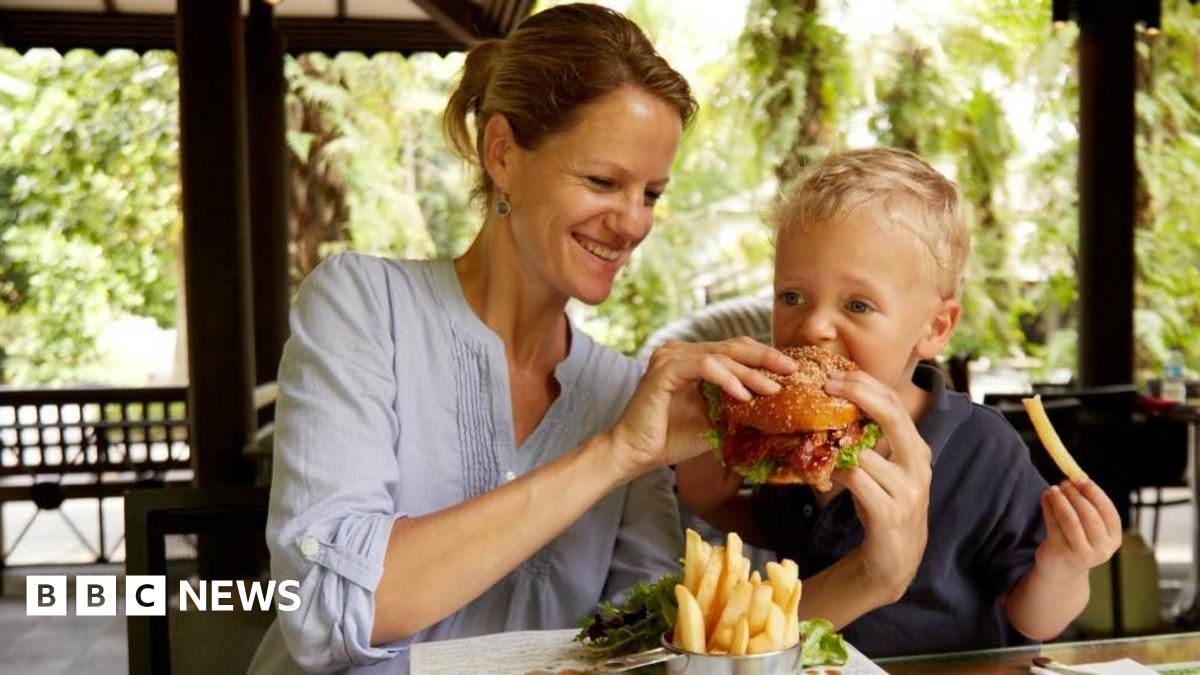
 Is eating out too expensive now? Families say higher prices put them off


Recommended Comments
There are no comments to display.