


Brian
-
Posts
221 -
Joined
-
Last visited
-
Days Won
8
Content Type
Profiles
Articles
Store
Everything posted by Brian
-
 It is already becoming clear after the Covid 19 crisis is over and the Nation returns to work many things in our industry will not be the same. Thousands of chefs are justifiably angry and bitter at employers lack of compassion and professionalism in dismissing them without any hope of a return. An Industry that was already suffering a skill shortage will find Chefs are now lorry drivers, supermarket stackers and bin collectors and enjoying a job with better conditions and far less stress. Their dreams of seeking super-stardom no longer a priority in their lives, if nothing Coronavirus has levelled out our “reality check” about what is and what isn’t important in our lives, and it will be many years ( if ever ) before the chasing of Rosettes dominates chefs thoughts 24/7 again. For many years I have been demonising the Accreditation's System in British cooking, This constant dogma that art oversees taste has become a disease in our industry and that a dish isn’t truly great unless it’s on an £80 plate and covered in cress or flowers, when in reality it is often just an excuse to justify poor cooking and extortionate pricing. Whilst there are lots of Chefs still determined about making a comeback and being positive, they will find a public weary of spending and a workforce reluctant to work in an industry that has badly let them down. It is very clear too that that top Law Firms are now looking at the possibility of mass claims for unfair dismissal, and there is little doubt that many Employers will face action for making people redundant without consultation, the legal period of notice and ignoring the Governments offer of support. That there was justifiable reason for redundancy will be questioned as never before. Those that believe that we can simply open our doors and everything will be as it was are naive and oblivious to the hardship many have suffered, and those Head Chefs and Restaurateurs who believe that they only have to switch their ovens back on and its “check on” will stop, look around, and find they are the only ones there? So too, may the era of the “celebrity chef” be over. This bitterness that top chefs have been able to cocoon themselves in luxury made off the back of their staff whilst so many have faced serious hardship will not be forgotten, the" I’m alright Jacks “ have already been seen as they are, greedy and non-compassionate. Perhaps then a new era? An era where Chefs have finally realised that there more to life than that extra Rosette or chasing that Michelin Star that they will never get. Perhaps now an era of calm and an era where people can see that cooking is great job, but it is just that…a job? Yes, when many chefs will be eager to get back to work, there will be many who have been off long enough to evaluate their lives, spend time with their kids, breath fresh air, take exercise and will now be thinking “was it ever all worth it “?
 -
 Since we began in 2015,Unichef has done more to raise the awareness of Mental Health Issues in Catering than any other Union. At first even we were not truly aware of how deep and widespread the issues were. We learned “on the hoof” ignorant of much of the pain and suffering our friends and colleagues were going through. Then things changed dramatically when we began our Facebook Page and then chefs from all over the country began to tell us their stories. They opened up in a way we never expected and I, like many others, sat crying at the anguish and pain endured by chefs who simply wanted ( needed ) to go to work but had the daily battle with an illness no one could see and few appreciated. These chefs wanted nothing from me, just the opportunity to share their struggle and have someone listen and understand. Similar other “listening posts “ sprung up, many only to fall by the waste bin through lack of commitment or support, and we knew that to help and succeed in bringing about awareness we had to be there 24/7 for those who needed us. A while ago I was contacted by such a listening post, and a chef dedicated to helping similar chefs who had issues like his own and shared our values and vision of a better way. Steven Mercer had went further than most, he had dedicated time and money into his site and he wanted to Unichef to advise him further. Amazingly Steven took our advice and now has the proud honour of having his Blog site fully endorsed by the National Chefs Union. Steven has worked tremendously hard, dedicating his own story to help and inspire others. His story will echo that of many and now he brings his life experiences and unique way of dealing with those issues into a fascinating forum for all to share and be inspired from. Cooking in Mind is very different. Real chefs with real issues and someone who listens, understands and can help with support in new ways and with new ideas. For those who believe the only way to cope is to turn to Alcohol or Drugs should visit Cooking in Mind and see that there is a better future for them. Unichef is proud to endorse Cooking in Mind, please visit and support Steve whenever you can at www.cookinginmind.com Brian Mcelderry
 -
 Defining the difference? Whilst it is widely recognised that Commercial kitchens require a degree of Management and overall supervision, where that line is crossed and staff become abused has been argued recently. Kitchens after all can be very dangerous environments, with often dangerous equipment and service areas and someone needs to be a leader and show overall control. Catering is a strange and unique profession in the fact that many Head Chefs aren’t qualified or trained in running a kitchen and that many of the people skills that they need are often learned “on the hoof” and often after mistakes have been made. Many Head chefs have little time for training their own staff, let alone receive much training themselves and are often promoted by just being in the right place at the right time or are promoted purely on their culinary skills and not their ability to run and control a business. Few realise that dealing with people of various distinctions, ages sexes, religions and cultures can be hugely daunting and complex. So it is that under this type of untrained semi managerial skill base that sometimes “Tribal Kitchens” evolve where Head Chefs are not the leader people want them to be but insist on still being “one of the crew” Respect dissolves, the line between leader and friend becomes blurred and harmful and “Tribal Kitchens” evolve into environments for abuse and harm. Loud music, shouting, swearing and “playground” humour all mix into this breeding ground for abuse. The abuser feels no threat or shame as he/she is simply one of the team and the team will support and encourage that abuse. The Team become a pack, often agreeing and applauding that abuse, vindicating that abuser, and so the vicious circle continues. The abuser is no longer in control, but uses bullying as a form of control. Their own self-esteem and confidence is low and so seek control in boastful gestures and abusive manners. Truly skilled and talented Chefs rarely need to exert authority. Their skill and authority are absolute, their demeanour approachable and trusting, their care and compassion without doubt. Few realise that being in control of a kitchen also means being in control of themselves too?
 -
 Mention allergens to most chefs and they throw their hands into the air, it is still the most talked about discussion in kitchens today. If you then mention Anaphylaxis you are likely to very soon talking to yourself. Yet is shouldn’t be that way. True it is a subject that frightens many because the very thought that your actions may cause injury or even death can scare many chefs into being unconfident . Anaphylaxis is the serious reaction that the body has when the Allergen concerned invades the system and the body’s immune defence struggles to cope. Each Allergen has a different effect, and some may be mild but others deadly However is knowledge is power, and the Anaphylaxis Campaign is an amazing organisation that sets out to give everyone a better understanding of exactly what Anaphylaxis is how as chefs we can begin to work with these allergens and begin to understand the effects they can have on the body. The website of AC is full of amazing advice and categorises each of the 14 Allergens and give a complete and well written synopsis than anyone can understand so chefs should no longer be afraid, but instead embrace the Allergen system and advice, treat all of their clients with the dignity and respect that they deserve and power forward into a new realm of cooking. So take a look at AC and you will see the Allergan issue in a completely different light, This incredible organisation is doing so much to educate everyone and Unichef is doing all it can in making chefs understand more to help them in their daily routine. Check out their fantastic website and begin to learn more about Allergens and the effects they can have. Anaphylaxis Campaign WWW.ANAPHYLAXIS.ORG.UK We support everyone affected by anaphylaxis and severe allergies, access comprehensive factsheets, join us as a member, access our AllergyWise training
 -
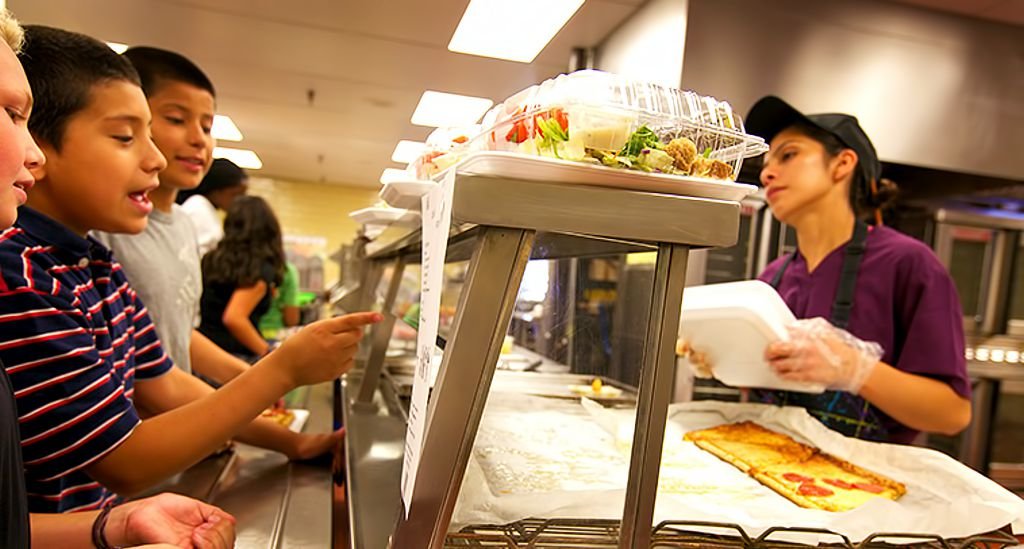 Announcing our new initiative for 2020, the Unichef Food4kids programme. This programme will study how Children in UK schools are currently being fed and how we can bring together experts in all fields to bring about the changes in the overconsumption of Carbohydrates and Sugar. The programme will involve itself in how school meals are often very poorly designed and constructed, from the menu and recipe design through to costings and searching for cost-effective replacements for many of the favourite "fill up "foods that kids crave for. Food4kids will work closely with schools and colleges in searching for all the answers to the difficult issues that they face and will seek to educate the Heads of Schools , their Governors and all of the school system into believing that there is a much better way to feed our children in the 21st Century and finally, but most importantly, the kids themselves. Children need to be fully educated into that what they eat now will affect their health for many years to come. They need to know the addictive qualities that Starch and sugars have on the nutritional system as they grow. We will use our extensive network of Chefs and suppliers to develop high quality, low carb, low sugar replacements for all the favourites that kids like. We've discovered through the years that replacing pizza with salad, just doesn't work, and we need to find like for like replacements, but with the addictive sugar and starch removed. Such items DO exist and we need to put pressure on manufacturers , suppliers and Caterers to develop products with severely cut levels of these additives at the same price if not cheaper than products presently used. If kids want pizza then fine, just let us develop pizza and other items that are great tasting, but just as filling and at the price caters can afford...it can be done, and it will be.
 -
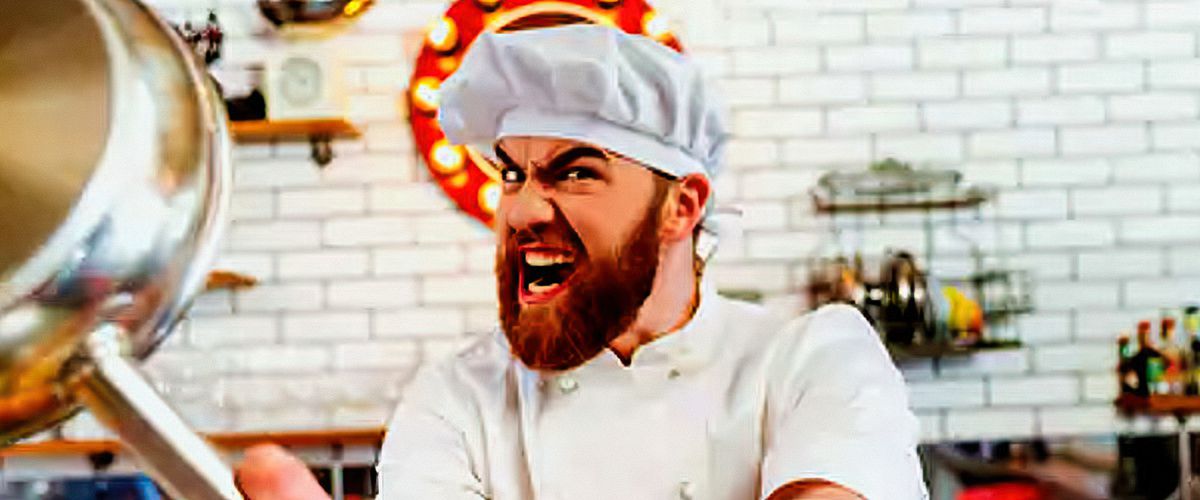 Bullying in the workplace Have you ever wondered why bullying chefs are the way they are? Why some kitchens are so "tribal", why they need to shout, play the big guy or simply just behave as if the whole kitchen revolves around them? Well, now you have all the answers in Wendy M.B Bloisi's fascinating thesis on Bullying and Negative behaviour in Commercial Kitchens. It’s a very long read but pick out the bones of it and you can always use it the next time you have a Bully in the kitchen that thinks he's Gordon Ramsey. In layman’s terms, bullying is often down to two basic issues. The bullies lack of self-confidence and low self-esteem of the bully and the poor knowledge and education that they have in how much damage they do when they behave in this way. Also, the Tribal issues that Wendy talks about are often very prevalent in kitchens, the kitchen hierarchical system that often prevails means that chefs of a lower rank age or sex are often bullied or picked upon for little reason, and often its always been that way. They seldom seem to realise that their very words and actions can often have a profound effect on people. They fail to accept opinions that their actions are not acceptable in modern kitchens, they see it as “banter “or everyday kitchen talk and cannot understand just why people are now saying that this type of behaviour simply must stop. Chefs who believe that chefs must be tough to survive or that bad behaviour is fine because “that’s the way we were taught” are simply in the dark ages. This behaviour has nothing to with cooking and just because you can act tough doesn’t mean you’re any better as a chef. Mary Berry doesn’t need to act tough or bully anyone and many of the true greats of our craft are equally confident people who use their talents to communicate. Bullying isn’t just pointless and damaging, it’s also illegal to the point of harassment and punishable by dismissal, fines, or even imprisonment. For sure the days of the bully in kitchens are numbered, as people stand up to this vile action and demand better treatment from work colleagues and employers.
 -
 FSA the questions you asked Earlier this year we asked the FSA a list of questions compiled from Our FB forum, It was quite a debate with some surprising answers and many chefs wanting further advice and info. It also gave us a great insight into how the FSA works and a chance to form a lasting relationship with them. Here are the questions and answers in their entirety. 1. Chopping Boards Q.Several issues here. We know of a major events company that only issues white Cutting boards at all of its events. The company has its own Hygiene Officer (ex EHO) and each event is visited by a local EHO before and during each event. The boards are used equally for all types of food except raw meat, yet white cutting boards remain an issue for chefs and this has never been explained. Is there any occasion where multi-use of a single coloured board can be acceptable? A.There is no requirement in the food hygiene regulations for food businesses to have a colour coding system. It is optional in the catering business to avoid cross-contamination between high risk and lower risk food. It is important that businesses ensure chopping boards are well maintained, cleaned between use and disinfected between tasks with raw and ready-to-eat food to avoid cross-contamination. Ideally, separate boards should be used when handling raw and ready-to-eat food. In Northern Ireland, we have produced a Q and A for frequently asked questions, which covers chopping boards can be used and how to clean them. Here is the link for your information. Food Safety Issues In The Catering Sector | FAQ | Food Safety Authority of Ireland WWW.FSAI.IE Welcome to the Food Safety Authority of Ireland website. Here you can get food industry information, find food legislation, check for FSAI latest news or make an online complaint. We would always advise and encourage food business operators to work closely with their Local Authority - Environmental Health Department (EHD), who will need to be satisfied with food safety procedures in place. 2. Chopping Boards Q.Which cutting Boards should always be used for cured meats and fish Information above in question 1 applies. Should black pudding be classified as a “cooked or ready to eat product” and therefore be cut on a yellow board? A.Black pudding has undergone processing, so strictly it is not a ‘raw’ food. We recommend food businesses (and consumers) check the manufacturer’s instructions on the packaging for advice on storage, freezing, cooking etc. If there are no storage instructions for black pudding regard it as a raw product. 3. Egg Storage Q. Is it true that UK eggs are “unwashed” and protected by its own Embryonic membrane and are therefore airtight and do not require refrigeration in professional kitchens, (as in the case of supermarkets)? A.Eggs should be stored in a cool, dry place, ideally in the fridge, and the storage area should be cleaned regularly. The key safety point is to avoid extreme temperature changes that could lead to condensation on the surface. We would also advise following the manufacturer’s advice on the label/package. UK eggs are unwashed, so any that are too dirty can’t be sold as table eggs, they go off for processing (e.g. liquid egg). 4. Tinned Tuna Q.Have there been any recent guidelines on the shelf life of opened tinned tuna? Many companies now insist on a 1-day shelf life solely for this product. A.We would advise following the manufacturer’s advice on the ‘open life’ provided on the labelling/ package of the product. This is because the manufacturers would have carried out their own testing on their food products. 5. Metal scourers Q.Have Metal scourers been “banned” as some suggest, but are suggested as not being used as part of best practice? A.We are not aware that metal scourers have been prohibited or that their use is not recommended in best practice. In the food industry, there is no specific reference to the use of metal scourers in food hygiene regulations. The use of scourers is a decision for each individual food business. The food hygiene regulations require all fittings and equipment to be in good order. This includes being repaired and conditioned to minimise any risk of contamination. Therefore, scourers should be properly washed/disinfected after each use. In addition, scourers should be replaced where necessary to minimise any risk of contamination. 6. Fridge Temp checks Q.Is it statute law that refrigeration checks are written twice daily or is this again part of the Best Practice guidelines? A.Refrigeration checks are not specifically required by law, but food businesses must hold food at safe temperatures compliant with the law and keep records as necessary. We recommend checking the temperature of chilling equipment at least once a day. We also recommend carrying out opening and closing checks of fridges and freezers at the beginning and at the end of the day. Ultimately the frequency of checks is left to the discretion of each individual catering establishment. Some equipment will have a digital or display dial to show what temperature it is set at. You can use this to check the temperature of your equipment. If you do this, you should check regularly that the temperature shown on the display/dial is accurate using a fridge thermometer. Find out more information about chilling food here: https://www.food.gov.uk/sites/default/files/chilled-food.pdf 7. Cardboard storage in Fridges Q.When and where is it acceptable to store cardboard with a refrigerator or freezer. Most companies insist on decantation but Relent on subjects that are difficult to decant, such as eggs? A.Some food products are retailed in cardboard packaging and this should be suitable for its intended use, including refrigeration or freezing of the food. This packaging should not contaminate the food or degrade its quality. We would advise following any instructions provided by the manufacturer. However, food handlers should not place food in cardboard packages if they are not suitable for food use and could contaminate or damage the food. Card or cardboard could stick to a food product if it became wet. 8. Decanting Q.Many employers have not issued guidelines on decanting and storage of products and many local EHO’s seem to be lax on this matter. Are there guidelines in place for the decanting of dried products such as rice, flour, custard etc? A.There are no specific requirements for decanting food. However, if food businesses decant food we strongly advise them to keep all the key information either on a label or stored on file. This would include durability markings, allergy information and traceability information such as health marks and batch numbers. This would enable the food business to identify the product if there was a problem, for example, if a recall needed to be actioned. 9. Open Condiments Q.Can there be acceptable conditions for not refrigerating open condiments and pickles or should they always be refrigerated after opening? A.We advise consumers to follow manufacturers’ instructions on the product’s ‘open life’ when storing products. 10. Allergens Q.Are there any plans to extend the current 14 listed Allergens, if so what may that be? A.We can confirm there are no current plans to extend the 14 listed allergens. On the “may contain” Allergen issue. We were led to believe that the guidelines issued in 2016 prevented anyone from using this phrase. However, we still get suppliers and products continuing to label some products like this and Chefs are confused. Can you clarify, please? The phrase “may contain” is still permitted. May contain is only permitted after a thorough risk assessment and where the risk and presence of allergen contamination cannot be reduced to a safe level. The FSA recommends that “may contain” or “not suitable for” should only be used where the risk of harm is real and probable. If you are using ingredients with a may contain in a recipe, then consider using a “?” in a menu matrix to mark the unintentional presence of the allergen to provide necessary information for the consumer. They can then make their own decision about whether the food is suitable for them based on their own level of sensitivity to the allergen.
 -
 Self Employment, the myths and facts The growth is Self Employed Chefs in recent years shows us that many chefs seek the freedom and independence that this form of employment offers, but what are the myths and facts and is it really a bed of roses? Having been Self Employed for 35years I’m better qualified than most to explain the good and the bad to anyone thinking of taking the plunge into the unknown. Firstly, why do it? I guess many chefs like the autonomy that it provides, the lack of corporate responsibility in that you often work alone, and you have little or no Management hassle, no HR meetings and no 10 o’clock meetings, you simply turn up and cook. What about the bucks’. Well this is often the biggest question, is it really as good as what’s made out? Certainly huge amounts of money, can be made, you can work all the hours god sends, and the pay rate is very much decided by how good a chef you are, Good chefs are worth their wages and will receive return bookings, agents will always place chefs that prove their worth time and again but will often discard the poor chefs who fail to turn up or can't fulfil the requirements of the hirer. There are 3 basic forms of SE. You can register as a self Employed Chef with the Revenue and receive your UTR (unique Tax reference) you will also need to consult with an Accountant, keep all your invoices pay and tax details and return to the Revenue Yearly. The second is favoured by many Agents and working under an “umbrella company” be an advantage as you have NO paperwork. It is all taken care of by the Umbrella Co. However, this is VERY costly, and your net gains are very poor. They claim that you are to be an LTD company, that is incorrect, you will NOT be a limited company but part of a legal tax scam set up by them to gain control of your Tax allowances. BE warned, you can lose many thousands of pounds using this method. The third is a registered Limited Company, registered in Company’s House in London. You will receive a Company Number and Certificate of Registration. It sounds daunting and it can be quite complicated, so an accountant is recommended (but not essential, it can be done online). The advantages are huge, as almost every Agent will happily accept an invoice, it is 100% Bona Vide and cannot be scammed or cheated and is accepted more happily by the Revenue. You are paid Gross, with tax and NI only being paid yearly, but the Tax allowances allow you much greater freedom than any other method and the mileage allowances alone can offset much of the tax your due to pay. A really good accountant will cost perhaps £2k per year but could save you 90% of the tax and NI that you would have paid, so really a good accountant is well worth it. Even what you pay your Accountant is deductible from your Tax bill, so it’s a no-brainer For further advice and details please contact us using the contact form; link at the bottom of every page.
 -
.png.66a5f8d54625bbd14a9fcb28d8aae89a.png) Chefstress, identifying the causes With some of the hottest temperatures on record now hitting our kitchens, it’s time to evaluate and quantify to very causes of what is now acknowledged as “heat stress” which in turn leads to the workplace stress known as Chefstress. So, what exactly are “heatstress” and “chefstress” and how do they affect chefs in modern working kitchens. Heatstress is now defined by the Health and Safety Executive as the rising of the body’s temperature due to the ambient or surrounding temperature. This ambient temperature makes the body evaporate water through the sweat glands, the higher the temperature, the more you lose water through sweating. This is called dehydration. Dehydration of the body is dangerous. It can create headaches, make you lose concentration leading to accidents, can raise the heart rate and cause palpitations’ men it can cause infertility, decreasing the production of sperm and in women, cause cystitis, and increase yeast production which causes gynaecological infections. Causes of Heatstress are now recognised as being poor kitchen design, lack of Air Conditioning, Thermo Deficient Equipment, poorly designed Uniforms and hats and poor user knowledge and abuse of equipment. Heatstress is now seen as a major cause of Workplace Stress and Chefstress is now being recognised as a unique type of stress. So now we understand what causes Heatstress. How does that quantify into “Chefstress”? Heatstress is indeed just one of the ingredients that go into the mix of causes that chefs must incur during their working day. Along with antiquated and unsuitable Uniforms, the insistence of unsuitable and (largely unnecessary) headwear, lack of cooled water, access to fresh air and increasing administrative duties that many have not been trained for. Chefstress is a culmination of all of these and often more as the one thing the makes chefs unique is their internal drive for perfection. The single factor in making Chefstress unique in evaluating stress isn’t an external factor, but indeed an internal factor. The very drive for perfection, the possibility of another star or Rosette, the acclamation and the rewards of success is unparalleled in other careers. Of course, we know that Doctors, Fireman etc all suffer levels of stress, but it is this self-destroying quest for perfection that makes professional cooking one of the most stressful jobs there is. Few careers have both the external and internal factors and its this lethal combination that is now turning chefs away from what once was an enjoyable job. The Head Chef role has changed dramatically too, and many are now mear administrators, tied to their desk, creating menus on a computer and filing the reams of (largely unnecessary) paperwork that plagues many kitchens. This, in turn, creates frustration and poor leadership as the time spent on the floor in touch with the job diminishes, creating further stress for both the Head chef and their staff. Staff shortages and increasing Employer expectations are also playing a part in the mix that creates Chefstress, and the lack of Employer knowledge and understanding is making the life for the average chef just a little too much to bear.
Chefstress, identifying the causes With some of the hottest temperatures on record now hitting our kitchens, it’s time to evaluate and quantify to very causes of what is now acknowledged as “heat stress” which in turn leads to the workplace stress known as Chefstress. So, what exactly are “heatstress” and “chefstress” and how do they affect chefs in modern working kitchens. Heatstress is now defined by the Health and Safety Executive as the rising of the body’s temperature due to the ambient or surrounding temperature. This ambient temperature makes the body evaporate water through the sweat glands, the higher the temperature, the more you lose water through sweating. This is called dehydration. Dehydration of the body is dangerous. It can create headaches, make you lose concentration leading to accidents, can raise the heart rate and cause palpitations’ men it can cause infertility, decreasing the production of sperm and in women, cause cystitis, and increase yeast production which causes gynaecological infections. Causes of Heatstress are now recognised as being poor kitchen design, lack of Air Conditioning, Thermo Deficient Equipment, poorly designed Uniforms and hats and poor user knowledge and abuse of equipment. Heatstress is now seen as a major cause of Workplace Stress and Chefstress is now being recognised as a unique type of stress. So now we understand what causes Heatstress. How does that quantify into “Chefstress”? Heatstress is indeed just one of the ingredients that go into the mix of causes that chefs must incur during their working day. Along with antiquated and unsuitable Uniforms, the insistence of unsuitable and (largely unnecessary) headwear, lack of cooled water, access to fresh air and increasing administrative duties that many have not been trained for. Chefstress is a culmination of all of these and often more as the one thing the makes chefs unique is their internal drive for perfection. The single factor in making Chefstress unique in evaluating stress isn’t an external factor, but indeed an internal factor. The very drive for perfection, the possibility of another star or Rosette, the acclamation and the rewards of success is unparalleled in other careers. Of course, we know that Doctors, Fireman etc all suffer levels of stress, but it is this self-destroying quest for perfection that makes professional cooking one of the most stressful jobs there is. Few careers have both the external and internal factors and its this lethal combination that is now turning chefs away from what once was an enjoyable job. The Head Chef role has changed dramatically too, and many are now mear administrators, tied to their desk, creating menus on a computer and filing the reams of (largely unnecessary) paperwork that plagues many kitchens. This, in turn, creates frustration and poor leadership as the time spent on the floor in touch with the job diminishes, creating further stress for both the Head chef and their staff. Staff shortages and increasing Employer expectations are also playing a part in the mix that creates Chefstress, and the lack of Employer knowledge and understanding is making the life for the average chef just a little too much to bear.