

Brian
-
Posts
221 -
Joined
-
Last visited
-
Days Won
8
Content Type
Profiles
Articles
Store
Everything posted by Brian
-
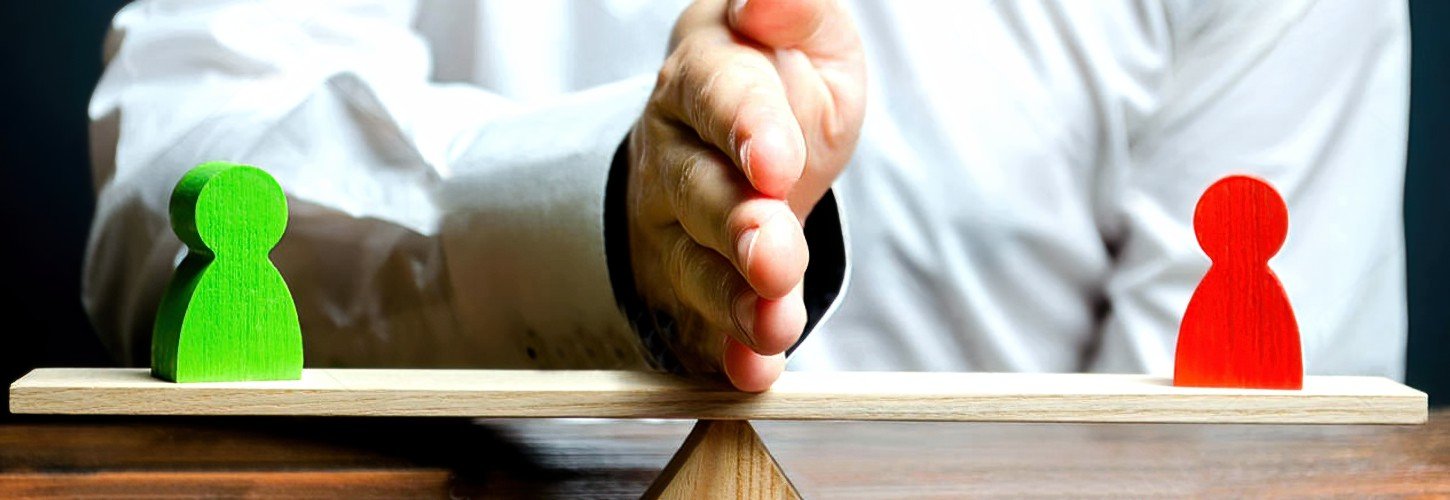 One of the biggest issues we have in modern catering is what to do when conflict occurs within the pressures of a busy kitchen. These issues are very often the result of either the internal “self-drive” of the chef or chefs involved and, or the external pressures of time, standards and fatigue, and very often all these combine to create that “perfect storm”, Sadly, these days many young and inexperienced managers who have not proceeded through the ranks of Hospitality do not know how to deflect these situations in order to carry on with the day’s work and inevitably end up losing a chef, either for that day or even permanently. Without doubt the answer lies within the hands of the unit manager or Head Chef to be experienced and strong to be able to control and motivate their employees. Recruitment and selection play such a big part also. Many Head chefs and managers concentrate on the practical side of an applicant but few seek to know the inner person they are interviewing. Few ask for their views on bullying and discrimination or their attitudes to women in kitchens, yet much of the future conflict can be avoided by more careful selection of candidates. If we focus more on the merits of the person and not solely on their cooking ability then we should be able to see the potential for conflict at that stage. Personal references and careful scrutiny of candidates at this stage avoid the potential for conflict. Kitchen conflicts are often about personalities, with experience and careful man management these occasions need be rare.As new Chefs are so often interviewed by the Head Chef or Manager, they are rarely introduced to the team or brigade for their reactions, yet the team itself should have a major say in who they bring into their workplace environment, should they not? This is a “people” business, yet our ability at times to understand and develop our senses about the people who we employ and work with can be quite shocking. When conflict occurs, we should question ourselves in asking could we, as Managers, chefs and colleagues have done more to avoid that incident, were we as much to blame?. The National Chefs Union works tirelessly with many employers to educate our colleagues that the great majority of conflicts are solvable and that they often move forward through development and motivational leadership. We must understand that nobody wishes these conflicts to occur and that there is normally a reason behind such incidents, we just need the will and experience to seek those reasons and prevent them from happening in the first place.
 -
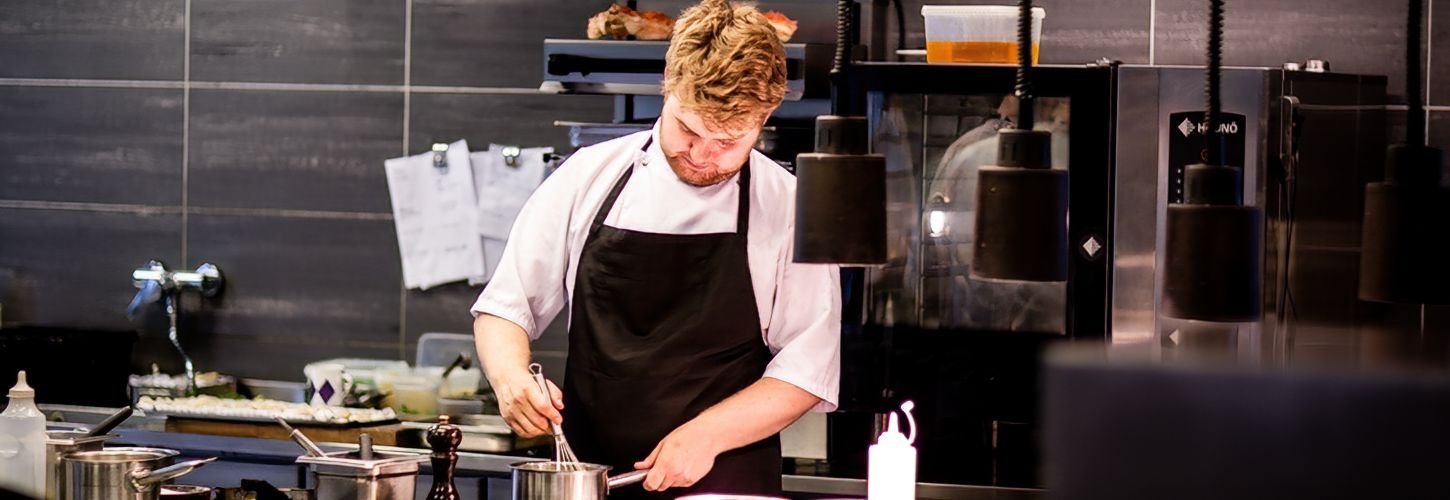 Recent events have shown to the media and outside world that a shocking environment exist inside of many UK kitchens. Yet within the industry none of this is of any surprise, such is the now systemic nature of workplace abuse within our sector. Everyone is puzzled as to how and why this would be in a modern working environment but to analyse the matter one must appreciate the demographics of the workforce and the cultural changes that had enabled these vile practices to exist and thrive. Professor Wendy Bloisi’s ground-breaking research into the background of bullying in commercial kitchens has acted as our Union’s bible for many years. In her thesis she explains that social and economic factors bear heavily on the mainly un- academic platform of hospitality employees and namely chefs in kitchens who are mostly kids off the street who have a talent to cook but little else. Chefs are by and large are often seen as unskilled and problematic. https://www.research.manchester.ac.uk/portal/files/54526643/FULL_TEXT.PDF Those factors are born out when Chefs then bring their cultural ideologies and traits into an un-policed workplace where they are “safe” to bully and intimidate within their own peer group, without fear of retaliation, discipline or indeed prosecution. If we then subscribe to the now widely held social belief that “abuse breeds abuse” whether it be in the home, marriage or school, then also that must apply to the workplace also, and some kitchens in particular, which can be no more than a “playground” for bully’s. All of this has been ingrained into our workplace over the last 10-15 years by the “glorification” of kitchen abuse by chefs such as Gordon Ramsey and programs such as Hell’s Kitchen and the F Word. Ramsey himself came from an abusive background and strict culinary teaching and so that has perpetuated into his work. Those who idolise him copy his actions and believe that to be correct, normal and even "cool" and so it goes on, from generation to generation. Chef Ramsey may well be a reformed character but the damage has been done and will last for many years to come. This “gladiatorial” display of bullying, played out in front of millions, is now the main factor in just why “bullying and harassment has become systemic within UK kitchens. Many factors play there part in people who abuse such as lack of confidence, and self-esteem bit also those who bully and intimidate may have autistic traits and are often acting out a defense mechanism which is their way of self-protection. Both Chefs, and the wider public have now accepted this as how kitchens are ran and is without doubt the disease that has crept up upon us and has led to the now “normalisation” of abuse and harassment that we see today. Change can only be affected by constant education of our peers, our employers, the media, and most importantly, our students coming into the industry. Abuse is a plague within our sector that has to be stamped out by all who work within it. We are all part of a precious and special profession, a profession that cares for our clients but fails to care for those that work within it. We can do better and we must do better. We must learn from the past mistakes of others and make a conscious decision that as “professionals” we are sometimes not as professional as we should be and look to other professions that show us a better example of how to treat our colleagues.
 -
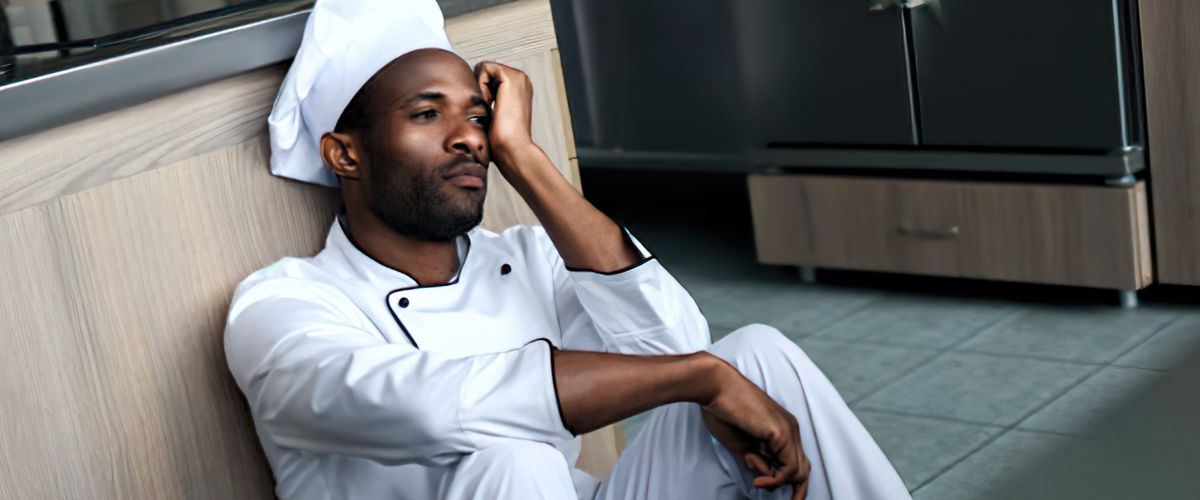 With our industry now ready (almost) to return to some sort of reasonable normality we are now seeing the pent-up frustration of both Employers and Employees and issues raising to the surface. The pressures on Employers are staggering that’s for sure. many have huge debts and they continue to rise and now they are face with a massive shortage of good chefs and are having to shift that pressure back onto the small workforce that they have just to survive the rest of the year and get back some of what they have lost. Needless to say, this is causing huge resentment to staff, who feel that they are being made to pay for what has happened over the last year or so but are they right to feel that way? Do Employers also have a right to feel that they now should expect employees to shoulder the heavy burdens they have an “take one for the team “, soak up the pressure, work extra shifts and extra days, all for the good of the business and for the security of their job? It's certainly a moral dilemma that none of us have ever faced before. Is it right to “guilt trip” employees, is it right to add even more pressure than they already have or is it the Employers sole responsibility to shoulder all the issues and run their business effectively from day one? Do employees have a moral obligation to support their employers by providing free labour? At Unichef, we HAVE to see both sides of the coin. We have members who are owed thousands of pounds from employers who have no money. We have even heard of Employers keeping tips so that they can pay bills, and chefs having to clean toilets because they have no cleaner and many other sad and shocking stories. Things are not back to normal and will not be for along time. Industry experts predict this to last in Hospitality indefinitely as few realise that we have also lost a million oversees workers, many of whom were working in our sector. Remember nothing like this has ever happened before and we are watching carefully as they situation develops and hoping that some relief is in sight for both sides but we are not optimistic. We warned in March 2020 that this would happen, it was sadly all inevitable and possible much worse to come as chefs now feel even more that this is “not the job for them”. Many have returned excited, but so many more have returned frightened and disillusioned and are already looking to get out. An industry cannot simply lose that volume of workforce and not be severely affected and If, as many believe, they trade was bad before the crisis, then it’s even worse now that’s for sure, it’s in a mess and will be for a long, long time
 -
 Recently, I had a notification from Linkedin telling me that’s someone wished to be included in my professional network, nothing new it happens every day. As you process that notification a panel appears that allows you to connect with likeminded professional’s and as being a chef, the algorithm’s set by Linkedin give me a huge selection, hundreds if not thousands of other chefs, and so you begin to connect with those you wish in your network. I tend to pick professionals who are clearly in the UK,and who I can then share and spread the word about our amazing Union.After picking about 20-30 I suddenly realised the huge lack of Women chefs and and chefs of colour, especially in any form of seniority? Sure there were a couple but most of the women were in other forms of the sector, Admin, Management HR etc and almost none Black or Asian female chefs? This really shocked me. Is the algorithm set to my past acceptance or is it geared up to my profile of being a male white chef? both of course would be wrong. Or could it be that Women and Black/Asian chefs don’t use Linkedin or even the reality that those demographic groups are simply not being represented on Social media because of the lack of those groups actually not being in our industry in sufficient numbers. This is certainly something we really ought to be considered more if indeed our industry is to recover from the pandemic and our employers seek to re-establish their business’s. Shockingly, almost all of the UK’s Contract Caterers are white male driven. Most of their group Executive Chefs, Development Chefs, Area Executive Chefs and Head Chefs are nearly exclusively white males? So too the numerous Chefs Associations and Craft oriented bodies that supposedly serve as ambassadors and leaders of our profession, promoting our culinary arts, again, mostly male, white dominated, and what about our college Lecturers, the teachers of our new young chefs, again the argument applies.Even in recruitment and on television the White Male Chef reigns supreme. Is the lack of diversity the reason why we still have so many problems in our industry? Is the fact that it is still white male driven the very reason that recruitment was at an all-time low before January 2020. Almost every employer of every description was finding it increasingly difficult to find the right chefs. Temporary Recruitment constantly relied upon and the situation was becoming so acute that it even began to affect the higher levels of our profession, including Michelin starred establishments.Whilst the” White Male Club” still exists in professional cookery, how can we ever hope to move forward? So, as we hopefully progress towards the re-opening of our business’s isn’t it time to reflect upon just how diverse we should all be in our approach to recruitment and begin to embrace the fact that diversity can and does bring a whole new set of dynamics to our profession and our business, and that the next time we do recruit then we begin to find those women, and chefs of all ethnic backgrounds that can bring that extra “special ingredient” to our brigades.
 -
 On the eve of an historical meeting between representatives of the industry and Government officials, it is good for everyone to know just exactly why we need our own Hospitality Minister and just why we seek to get closer access to the corridors of power. Much has been said but we think it is time to set out just what we aim to achieve when we do get our own Ministerial Official. Ministers work between Government and the elected bodies and representatives of an industry. They consult and formulate and implement plans and legislation on behalf of that industry, liaise with and consult with that industry for the betterment of all involved, to create a better and more functional industry. They can and do act independently but they also work together with the industry on new plans and the implementation of agreed plans and legislation. They can also advise and help draw up papers to put before government that might need new legislative approval. The advantages are that government get an insight into the industry and that the industry concerned can get first-hand information and advice on any new or proposed plans moving forward. The National Chefs Union already has an extensive list of items to put before our new Minister which include. *The creation of a timetable to oversee the implementation of the Good Work Plan and the approval of budgets to create the policing structure for that legislation as detailed by the Director for Labour Enforcement. * Discussions on the possible amendments to The Health and Safety at Work Act to create a Maximum Level of Heat and to set in law the requirement for free-flowing fresh air within all UK commercial kitchens. * Discussions on the possible amendments to the Human Medicines Act to allow UK Commercial kitchens to store Emergency Asthma Kits (similar to schools) * Discussing on the revision of Food Premises Licensing to include provisions for the above amendments and employee wellbeing. Our list is not exhaustive, there is indeed much we wish to discuss with our new Minister and we fully intend to have our “seat at the table” and make sure the Chefs of the UK are not ignored. Employment abuse is systemic in UK kitchens and we need to hit the ground running and address the many issues that have been building up for so long, including the age-old practice of Chefs and their kitchens coming last on the priorities of new business who think they can make a fortune on the backs of their chefs without consideration and due attention to the law and their representatives. In the future no Pub, Hotel, Restaurant, or food premises should ever be allowed to open until the requirements and provisions of Laws attaining to the safety and wellbeing of employees are met first. The future of catering is here and with us right now and for long we have been last in the queue…now we will be first. Make no mistake, we fully intend to have our voices heard.
 -
 Hospitality Action was established in 1837 and has since offered vital assistance to all who work, or have worked within hospitality in the UK and are the largest UK Hospitality Charity. They are there for the chefs, waiters, housekeepers and managers. They are there for the concierges, receptionists and kitchen porters. And they are there for every sommelier, bartender, catering assistant and cook across the UK. Whether you work in hotels, restaurants, pubs, bars or cafes, schools, hospitals or event venues, They are there to give you the help, advice and support you need whenever times get tough. Click Here To Visit Website
 -
 Time to Change is a growing social movement working to change the way we all think and act about mental health problems. We've already reached millions of people and begun to improve attitudes and behaviour. In 2018 Unichef took the Pledge to support TTC and became the first Union in the UK to actively support Mental Health in the work place. Read all about the way TTC is changing the way we all thing about MHI Click Here To Visit Website
 -
 Shout is a 24/7 UK crisis text service available for times when people feel they need immediate support. By texting ‘SHOUT’ to ‘85258’ a Texter will be put in touch with a trained Crisis Volunteer (CV) who will chat to them using trained techniques via text. The service is designed to help individuals to think more clearly and to take their next steps to feeling better. Shout was publicly launched in May 2019, after a year long pilot phase. It is based on the successful US model Crisis Text Line. Shout is part of Mental Health innovations (MHI), which was founded in November 2017. MHI was set up following the success of The Royal Foundation’s ‘Heads Together’ campaign, which identified how utilising digital platforms and tools has huge potential to offer support services to individuals struggling with their mental health. Click Here To Visit Website
 -
 MIND are the foremost Mental Health Charity in Britain.They provide free support and care for thousands of people experiencing all forms of Mental Health. They campaign to improve services,raise awareness and promote understanding.For more than 70 years MIND have been committed to making sure that everyone experiencing MHI has the support and care they need. Now Mind has teamed up with National Chefs Union in supporting chefs across the UK.You can find out all about MIND and the fantastic work the do... Click Here To Visit Website
 -
 During a lecture for my degree in addictions therapy the tutor said that there were certain professions that have a higher rate of addiction than others, chefs were mentioned as one of those. No surprise then that in a class of twelve students, two of us had been chefs for over 20 years and had our own past substance misuse issues. Following that, during my experience working in residential rehabs I noticed quite a few clients were or had been chefs in the past. This got me thinking, I knew why I used to drink when I was a private chef, the pressure, the control, performance anxiety and need for perfection were all factors, but I wondered why it was that chefs as a group had higher instances than the general population of potentially harmful alcohol and drug use. It seems the idea that chefs and substances are a perfect pairing has always been there, there were the drunken chef stereotypes even before television brought the early celebrity chefs to our living rooms, with a glass in one hand and a spatula in the other. Then, twenty years ago Anthony Bourdain’s “Kitchen Confidential” brought the industry’s dirty little secrets to the public eye, the exposure of the drug and drink fuelled kitchen culture didn’t do anything to stigmatise it, to the contrary, it seemed to glorify and normalise it and attracted a small army of celebrity hopefuls happy to be part of the macho anything goes kitchen culture. “it’s wrong, but “look at what I can do and what I can handle when I just have a few drinks / bump/ speed etc to get through service, then just have a splif to wind down and get some sleep so I can do it all again next shift.” I think we all know that there is a high level of Alcohol and Drug use and misuse in the profession, and the question is why? Research has found that hospitality employees have significantly higher rates of risky alcohol and illicit drug use compared to other industries (Berry et al., 2007; Roche et al., 2008) and an Australian study found that hospitality employees are up to 3.5 times more likely than other workers to use alcohol or drugs at work or to attend work under the influence of alcohol or drugs (Pidd et al., 2011) and parallel research indicated that the prevalence of drug and alcohol misuse use among trainee chefs appears notably greater than the rates for the general population of the same age (Pidd et al., 2014). There are a couple of schools of thought as to what factors contribute to this, one is that the users are mentally or physically predisposed to use substances, that they have an “addictive nature. The other is that it’s the environment that fosters the desire to use substances, in other words individuals use substances to deal with the pressures of the job, the stress, the heat, irregular hours, pressure, lack of sleep etc. Adding to that, staff often report high levels of on the job bullying and sexual harassment, ( Roche, Pidd, & Kosta- dinov, 2014,) so they may resort to using drugs and /or alcohol to reduce tension and cope with stress associated with this (Murray- Gibbons & Gibbons, 2007) . Another factor to consider is availability, most kitchens have adjacent bars/pubs and staff may be bought drinks, or the culture might be that its ok to drink a few beers during service or clean down. Workplaces may be located in an area where its relatively easy to obtain drugs or co-workers have a ready supply. Then, in accordance to social norms theory, peoples’ assumptions regarding acceptable levels of substance use based on un-written rules, mirroring collectively agreed-upon behaviours, attitudes and beliefs (Zhu et al., 2011). In other words, it is the monkey see, monkey do culture of “it’s no big deal, everyone’s doing it” … and so, before long almost everyone is. In some work places there is a tradition of a couple of free drinks after service, and sometimes a few drinks after service continues on to other venues, and chefs catch up on a social life they would otherwise wouldn’t have, the cycle continues the next night and you are wondering how to get through service! If you cannot stand the heat, get out of the kitchen, or just do what everyone else is doing right? Obviously, this is not the case in every kitchen but it's interesting how substance use became so accepted in the industry, But in the past couple of years it has been highlighted as something that is no longer acceptable, facilitated by some prominent chefs going public with their mental health and substance misuse issues and making real moves to change the axiom of turning a blind eye to substance use, and what can be a toxic work culture that results in some chefs relying on substances to function. There has been a number of peer support groups emerge to support those experiencing issues, Facebook groups and education re recognising those with poor mental health etc., also, an excellent US web page called “chefs with issues” In an interview with The Guardian newspaper in 2017, a year before his death Anthony Bourdain opened up about his regrets, shame, and what he called his "unhappy soul" Bourdain reflected on his chaotic life in the kitchens, saying he had finally "put aside my psychotic rage, after many years being awful to line cooks, abusive to waiters, bullying to dishwashers. It’s terrible – and counter-productive – to make people feel idiots for working hard for you.” He also had acknowledged that he struggled with drug addiction and had a history of heroin use. (Bourdain's body was found in his hotel room in France. He is believed to have killed himself) So, regardless of whether you are a newly qualified chef or veteran you will most likely come across the issue of substance use and its effects on your team. What we aim to do here is to provide resources to understand the issue and the ripple effects, from morale, lost productivity, health issues and workplace culture to recognising the signs when you or a colleague needs support, and where to get help and what’s available. REFERENCES Berry, J. G., Pidd, K., Roche, A. M., & Harrison, J. E. (2007). Prevalence and patterns of alcohol use in the Australian workforce: findings from the 2001 National Drug Strategy Household Survey. Addiction, 102(9), 1399e1410. Murray-Gibbons, R., & Gibbons, C. (2007). Occupational stress in the chef profession. International Journal of Contemporary Hospitality Management, 19(1). Pidd, K., Roche, A. M., & Buisman-Pijlman, F. (2011). Intoxicated workers: findings from a national Australian survey. Addiction, 106(9), 1623e1633 Pidd, K., Roche, A. M., Fischer, J. A., & McCarthy, C. (2014). Risky behaviours, risky work settings: the alcohol and drug consumption patterns, health and well- being of commercial cookery trainees. Journal of Health, Safety and Environment, 30(2), 301e311. Pidd.K Roche.A. kostadinov.V. Trainee chefs’ experiences of alcohol, tobacco and drug use. Journal of Hospitality and Tourism Management. V 21. Dec 2014, 108-115 Roche, A. M., Pidd, K., Bywood, P., & Freeman, T. (2008). Methamphetamine use among Australian workers and its implications for prevention. Drug and Alcohol Review, 27(3), 334e341 Roche, A. M., Pidd, K., & Kostadinov, V. (2014). Trainee chefs' experiences of stress, bullying and coping in commercial kitchens. Journal of Health, Safety and Environment, 30(2), 259e269. Zhu, J., Tews, M. J., Stafford, K., & George, R. T. (2011). Alcohol and illicit substance use in the food service industry: assessing self-selection and job-related risk factors. Journal of Hospitality and Tourism Research, 35(1), 45e63. Anthony Bourdain: ‘I put aside my psychotic rage, after many years being awful to cooks’ | Anthony Bourdain | The Guardian WWW.THEGUARDIAN.COM The chef and author on encountering vichyssoise aged nine, practical jokes with his sous chef, and learning to take food less seriously
 -
 For too many years now our Industry has been plagued by the crazy notion that some sort of recreational drug or liquid crutch will get chefs “through the day” and that they “need” those items in place to be the chef that they are or want to become ?? Yet repeatedly our Union sees the massive result in the scrapheap of chefs who thought that drugs, alcohol and even Caffeine drinks were the answer to their pressures and workload. There are so many that contact us who “used” to be a chef, with the same story. We even encounter Ex-offenders who once again tell us how the pressures of the job, drove them to substance mis-use and then into crime, one-minute working on their dream, the next involved in a nightmare. All aspire to be great chefs, all look to their hero’s, the classic legends who crafted our profession, Escoffier, Bocuse, Mossiman, Blanc etc, we all have our favourites. But few chefs stop to question just HOW these great chefs got through their days of stress, without a joint to calm them down or twenty cans of Red Bull for them to do their job?? Maybe they can’t understand that the greatest of chefs just don’t need stimulants, that the love of their craft, their own drive and commitment and the “natural high” they get from being in one of the greatest professions in the world is all they need to get them “through the day “? It’s all so easy to criticise, I know that, but as a chef who has worked for the last 46 years and still puts in 70 hours with more pressures and stress then you can ever imagine, without anything thing more than uplifting than a cup of tea of tea, I often wonder just why such chefs need to be in our industry at all ? If they really need such artificial props to survive the rigours of the day, are they really the chefs we need in this industry, shouldn’t they just get out of it?? Easy to say but misuse is now so rife that it must now be considered a serious threat to safety and a massive disincentive to many youngers wanting a career as a chef. The foolish belief that you need drugs to be a good chef, or that you need drugs in your kitchen to make it “groove” is just the biggest load of hype this industry has ever seen and time we all “called out” drug taking in kitchens, those that use them, those that sell them and also those that turn a blind eye. Of course, as an industry we need to support those who truly need it,and Unichef will always stand by those with MHI who feel drugs like Cannabis ease their situation, but the mass acceptance that drug taking at work is "normal" needs to change. If someone was drunk on duty, its gross misconduct, and an instant dismissal, but someone having a joint or a line at work is somehow more acceptable ? In Post Pandemic Britain, Drug Free Kitchens must now be the norm.Perhaps drug testing at work should become more standard practice than it is at present and perhaps this is our chance to rid kitchens of substance mis-use and return our kitchens into a safe and healthy workplace environment. http://www.tuc.org.uk//themes/tuc_twig/favicon-32x32.png Drugs and alcohol in the workplace | TUC WWW.TUC.ORG.UK This guidance is intended to assist workplace reps in developing policies to deal with alcohol and drug problems in the workplace.
 -
 Almost since the very early days of our Union, have we been warning of that the days of chefs being able to dominate, bully, harass and do as they please were numbered. Few have heard of the term, Vicarious Liability, but along with chefs now having to be Pharmacists, Scientists and Mathematicians, you will now need to be Lawyers and be very much aware of the pitfalls of this often used but seldom explained rule of law. Vicarious Liability is one of the two Laws of Civil Liability. The other, Direct Liability, is more often understood by chefs who understand that employers could be sued if someone is made ill by food kept in dangerous conditions or if they neglect health and safety laws etc. Vicarious Liability is the Employers responsibility for what their Employees say and do during the course of their work. Whilst normally Employers cannot be held accountable for your direct actions, they can be made liable for failure to take the appropriate action to either stop future incidents or the chefs continued actions, and the ultimate way of guaranteeing this is to dismiss the accused chef through gross misconduct clauses in their contracts. But why exactly should they need to resort to such extreme measures? It's simple, and yet so many fail to understand. The financial penalties for negligence on behalf of the Employer can now run into tens of thousands of pounds. If an employer fails to take decisive action over a complaint against the perpetrator, they stand accused of a lack due supervision in their legal Duty of Care to their employees, and indeed “turning a blind eye” can also apply to anyone in supervisory care, including Head Chefs. The action is indefensible, and Unions can do little about it so long as due process had be adhered to. So severe can the penalties be that dismissal is often the only course of action that a company’s lawyers will recommend, its final and decisive and the company escapes further claims. Chefs must also learn that their victims voice must be heard above all others and that because of the risk of Liability, employers must listen and support those who complain, not to do so may make them liable to further action ( from Unions such as ours ).So the accused’s word against someone else’s can be, and often is irrelevant. If the victim has a witness to what was said or done, the case is even more secure. So those chefs that believe they are “indispensable”, that they are so good at their job that they can say and do as they like in “their kitchen “ need to wake up and smell the coffee…very quickly The days of the most junior of staff members being able to take offence at what you say to them and see you on the dole are right here and happening right now and the cost of a loose tongue and a toxic attitude can be very, very costly.
 -
 Many reading this will be unaware, (as I was) about not only how difficult it can be being a chef with Asthma, but indeed just how dangerous it can be also. The tragic death this year of 19-year-old Lauren Reid at work in her kitchen in Glasgow has truly shocked all of us into learning more about Asthma and how we can both support our colleagues’ and raise awareness of this terrible illness. Of course, there are many causes and facets to Asthma and we are no experts, but we very much see Asthma as an increasing illness that seriously effects many Chefs in the UK and so Unichef has committed itself to bringing support, education, and awareness to the issue. Little is known of the effects of cooking with Asthma but a recent study in Norway has highlighted the dangers of inhaling Carcinogens and Acrylamides and often much more simple, everyday substances such as flour can be now considered a dangerous substance for many, and this research shows a clear increased risk of respiratory problems for chefs and Bakers who continuously inhale fumes and dust/flour. Indeed, there have been many study’s in the USA of the increased risks associated with long term use of Trans Fatty Acids and the effects of breathing hot cooking oil. We must now look at the long-term practises of frying and grilling which create such toxic atmospheres and begin to realise the effects they have not just on the closest worker but all those within the kitchen. Together with Laurens mum, Elaine Cunningham, we are now, in honour of Lauren, taking Asthma much more seriously and will now include Asthma in our Chef Wellbeing programs in the future and discuss the issue with chefs in much the same way as we do Mental Health and other health subjects. UK chefs and employers must all now begin to think and behave in a different way to the toxic environment that kitchens can be and look not only at the causes and effects of asthma but indeed look at preventing needless deaths such as Lauren Reid’s in the future by being more aware of the dangers and signs of distress. There is lots we can all do, and in Laurens name we need to start right now. Cooking fumes can create respiratory problems for chefs SCIENCENORWAY.NO Cooks live less long on average than people in most other occupational groups. Changes in their working environment could result in better health for many. Asthma UK | Homepage WWW.ASTHMA.ORG.UK Petition · Glasgow city council : #Lauren’slaw-asthma awareness · Change.org WWW.CHANGE.ORG #Lauren’slaw-asthma awareness
 -
 UK’s top chefs urge government to appoint Minister for the Hospitality Industry and demands rightful representation in light of recent struggles. PRESS RELEASE (9 October 2020): Claire Bosi, Editor of leading hospitality publication Chef & Restaurant Magazine, brings together some of the nation’s best chefs and hospitality representatives in a petition urging the UK government to impose a Minister for Hospitality. The group, which includes world renowned chefs including Marcus Wareing, Angela Hartnett, Asma Khan and Tom Kerridge (additional names below), is calling for the appointment of a Minister for Hospitality to the UK government to ensure the representation of the interests of one of the country’s leading industries in Parliament. Responsible for around 3m jobs, generating £130bn in activity and contributing £38bn in taxation annually, the sector has been impacted heavily by Covid19 and the Government’s thoughtless policy and communication surrounding the pandemic. The group argues that, having a representative voice in Parliament, as the Arts and Sports sectors do, would have been beneficial during what has been an exceptionally trying 6 months for the sector. Lockdown and the government’s contradictory communication around it was the start of many difficulties for the industry, with the introduction of a curfew across the country the latest. With no representation in Parliament, the government was ill-equipped to assess the potential damages of its policy, or the ways in which these might have been mitigated. Commenting on the petition, Claire Bosi said: “2020 has been detrimental for our entire sector. Policy has been made and unmade without consulting those that are impacted most. Our country is renowned for having a hospitality sector that is synonymous with excellence, innovation, and inspiration. As such a vital part of both the country’s economy and reputation, it seems fair that we, like other sectors, are given a representative voice in Parliament. We need a Minister who can listen to concerns on taxation and legislation and bring forward our suggestions to policy makers on our behalf. This is about efforts to secure our industry’s success in the future". Among the expansive group of industry figures supporting the petition are: - Kate Nicholls, CEO of UK Hospitality - Angela Hartnett, Chef Restaurateur behind Michelin-starred Murano, and the Café Murano group (London) - Marcus Wareing, World-renowned British chef behind Michelin-starred Marcus at The Berkeley Hotel (London) - Asma Khan, Chef and Owner of Darjeeling Express (London) - Mark Birchall, Lancashire-born chef behind two Michelin-starred Moor Hall Restaurant with Rooms (West-Lancashire) - Tom Kerridge, British chef behind two Michelin-starred The Hand and Flowers (Marlow, Buckinghamshire) amongst other restaurants in London and across the UK - Andi Oliver - Founder of pop-up brand Andi’s Wadadli Kitchen, television & radio broadcaster & food writer - Michel Roux Junior and Alain Roux, Chairmen of prestigious world-renowned culinary competition, The Roux Scholarship, and sons of key culinary figures Michel and Albert Roux - Clare Smyth, Chef Owner of two Michelin-starred Core by Clare Smyth (London) - Mike Reid, Culinary Director for M and Gaucho Restaurants - Paul Ainsworth, Cornwall champion behind Michelin-starred Paul Ainsworth at No.6, as well as other hospitality businesses in the region - Neil Borthwick, Head Chef at The French House, Soho (London) - Zoe Adjonyoh, Chef-writer, founder of Black Book and Zoe’s Ghana Kitchen (London) - Richard Corrigan, Irish Restaurateur, and owner of The Corrigan Collection (London) - Atul Kochhar, Chef and Entrepreneur - Thomasina Miers and Mark Selby, Wahaca Co-founders - Tommy Banks, Chef Owner of The Black Swan Oldstead and Roots, York (North Yorkshire) - Andrew Wong, Chef Owner of Michelin-starred A.Wong (London) - Sally Abe, Head Chef at Michelin-starred The Harwood Arms (London) - Patrick Powel, Executive Chef at Allegra (London) - Dom Fernando, Owner of Paradise (Soho) - Anna Haugh, Chef Patron of Myrtle (London) - Sam Buckley, Chef Patron of Where The Light Gets In (Stockport) - Allan Gage, Owner of Sweet & Chilli and Nine Lives Bar (London) - Lisa Goodwin-Allen, Executive Head Chef of Northcote (Lancashire) - Brad Carter, Chef Patron of Michelin-starred Carters of Moseley (Birmingham) - Rik Campbell and Will Bowlby, co-founders behind London-based modern Indian restaurant group, Kricket - Mark and Alan Wogan, co-founders of London-based pizza group, Homeslice - Chantelle Nicholson, Chef Patron of Tredwells (London) - Gary Hunter, Deputy Executive Principal at leading hospitality school Westminster Kingsway College (London) - Galton Blackiston, Owner and Michelin-starred chef of Morston Hall country house and hotel (Norfolk) - Ben Murphy, Head Chef of Launceston Place (London) - Glynn Purnell, Chef Owner of Michelin-starred Purnell’s (Birmingham) - David Moore, Owner of Michelin-starred Pied à Terre, Charlotte Street (London) - Kenny Atkinson, Chef Patron of Michelin-starred House of Tides (Newcastle) - Frances Cottrell-Duffield, Tonic Communications, Managing Director - Will Murray, Jack Croft and James Robson, co-founders of recent London opening Fallow on Mayfair’s Heddon St (London) - Gordon Ker, Founder of Blacklock Restaurants (London) - Michael Wignall, Chef Patron of The Angel at Hetton (Yorkshire) - James Waltera, Owner of Arabica (London) - Gavin Adair, CEO of Rosa's Thai Cafe (London) - John Devitt, Owner of Koya (London) - Amy Poon, Owner of Poon's London - Tanith West, Bone Daddies, Marketing Manager - Aurelien Mouren, Operations Director for Gold Notting Hill (London) - Simo, Executive Director at Milroy’s (London) - Michelle and Matin Miah, Co-Owners of Rudie’s Jerk Shack (London) #Minister4Hospitality
 -
 The current online petition for the Hospitality Industry to have its own Government Minister is growing by the day. There has been much astonishment that such an important thing has never been suggested before, such is the enormous success and importance the industry plays in the lives of Britain that we have been simply too busy in the past to ever have thought it necessary. Pandemics, however, change everything, and the devastating impact the restrictions have had on our industry will be felt for many years to come. Never has there been a more crucial time in Hospitality for it to have representation and its own voice in the corridors of Government and our appeal is now being heard by many politicians across the political spectrum, and a view strongly help by North West Durham MP Richard Holden who has joined with The National Chefs Union to help push forward this unique proposal. As a struggling student Richard worked as a waiter and knows the industry well and supports wholeheartedly Unichefs stance for not only better working conditions but a say in the future of our industry. He knows also that we need our own Minister if we are to successfully implement the Governments "flagship" legislation, The Good Work Plan. Truly, our industry has changed, but we now have the chance to move forward and make it better for those who still love working in it. It is in everyone’s interest to sign this petition and see that we now have our very own Hospitality Minister to look after our interests and our future. http://petition.parliament.uk//assets/os-social/android/icon-192x192-ef97932d4e5a23a1c0758162d7d29c9dc7e27da4b282295a9485a28c235c98a6.png Petition: Create a Minister for Hospitality in the UK Government PETITION.PARLIAMENT.UK The UK hospitality industry. Responsible for around 3m jobs, generating £130bn in activity, resulting in £38bn in taxation. Yet, unlike the Arts or Sports, we do not have a dedicated...
 -
 From time to time in catering, something comes along that revolutionises the way we work. You can think of things like Maltodextrin or even Rational Ovens, but something much more important is about to change the way we work in this industry forever. “Onesided Flexibility” is soon to become outlawed in catering and heralds a change in the relationship between Employer and Employee of seismic proportions, but what exactly is Onesided Flexibility? In short, it’s a working relationship that sees the benefit mainly for the Employer, onesided. The obvious example in our profession would be Split Shifts. This Victorian practice of work where your entire day is spent on work, but you are only paid for the hours you do, or even worse still the abhorrent practise of AFD shifts of 12hrs plus, these practices save the employer money but abuses our social and mental welfare. Soon both of these practises will cease, and Employers will be forced to realise that shifts MUST benefit both sides in order to create a good working relationship. There will also be adjustments to Zero Hours working and Employers will soon have to adjust their contracts to ensure that you have a balanced work schedule with a minimum set day/hour rota pattern for both parties to adhere to. The vile practice of cutting shifts without notice or even worse in the middle of a shift when things become slow will also be abolished as the government have recognised the importance of workers being able to sustain rent and a mortgage and so must be able to rely on a dependable work structure. There will also be a national system of whistleblowing and reporting so that employees will, for the first time ever, be able to deal with issues directly and in confidence. Employers must stop exploiting chefs in the way they have for many decades. The Government’s vision of a fairer way of working in partnership with Employees must now be embraced by all and The National Chefs Union will be playing a big part in shaping that future. The Pandemic has made everyone realise that the system of work in Catering is broken and that if we are to attract a better, fitter workforce then we need to attack the core issues of exploitation within our profession. In the very near future we need to offer our young chefs, a brighter, safer, and more rewarding career than at present. A career free from intimidation and exploitation, a career that shows the best of what we can do, with time to spend with our friends and family, a career that is caring of its workforce and a career that is secure and forward thinking. All of this is possible and within our reach. The Good Work Plan will ensure a fairer, decent way of working for all of us in the very near future.
 -
 Many have heard of terms such as subconscious sexism, racism, and ageism. Those inner most thoughts that we rarely see come to the surface but are often in the backs of people’s minds. Indeed, our actions, even with the best of intentions are now considered as our true feelings. The theory behind this being that if we say or do something that is now socially unacceptable even though we adamantly deny such thoughts then it is our subconscious feelings coming forward, in fact our “true selves” This theory is then echoed into the handbooks of many employers, governed by overzealous HR consultants who in fear of litigation cover their employers by submitting to this theory. So then, that must surely give way to the actions of employers also? Is how they behave and act towards their employees often an indication of subconscious behaviour and is the practice of inhuman and socially unacceptable work pattens just subconscious exploitation? Isn’t it time that acts such as 12-14-hour shifts, constant weekend working, all day long shifts and unpaid tasks can now be seen as exploitation even though we have accepted such conditions for many years. Perhaps now is the moment to wake up and realise that when we are asked to give more than we are paid for on the grounds of “duty” or “teamwork” then this is simply the subconscious action of an exploitative employer or manager. Should we all now be aware that going that extra mile or doing that extra shift, is just guilt tripping us into free labour and that we should now stand firm on the exploitation that is systemic is catering, and in reality hasn't it always been that way since our very first day in catering and isn't Contracted Hours simply the epitome of exploitation? If the Pandemic has taught us one thing it is surely that all employees are disposable, we are asked to “take one for the team” but has the team ever taken one for us? https://assets.publishing.service.gov.uk/government/uploads/system/uploads/attachment_data/file/766187/good-work-plan-printready.pdf
 -
 As head of Unichef and a working chef, there are few things that annoy me more than the subject of pay errors. When someone has worked hard all month and is looking forward to their pay, is it not too much to ask that it be correct? We are expected to perform to the best of our ability so why not the payroll clerks? Whilst we suffer the wrath of Head chefs and mangers for making mistakes in our daily work, is anyone ever actually reprimanded for making mistakes in our payroll? I think you will find that the answer is no. HR and payroll are virtually a law unto themselves in many companies and rarely come under fire for their poor performance and mistakes, it is little wonder so many chefs mistrust a system that should be there to protect them but is often seen as being biased in what they do and say. Most annoyingly of all is the undoubted fact that anyone they deem of being “important” such as the MD ,Senior Managers and even themselves will be getting priority treatment over their payments, somehow I doubt that there is ever a pay mistake made in the Managing Directors wages at Compass Catering do you ? http://www.citizensadvice.org.uk//static/images/apple-touch-icon.png Problems getting paid WWW.CITIZENSADVICE.ORG.UK What to do if your pay is wrong, money has been deducted from your wages, or you haven't been paid. Of course not all employers are like this, for example many Agencys pride themselves on paying on time and correctly as they know its a fundemental part of the way they work with chefs,that bond of trust is vital to both partys. Yet chefs, and kitchen staff are the ones most often effected by the mediocre performance of HR departments. I know in some kitchens it's such a regular event that even bets are placed as to who’s turn it is for a pay error? This appalling practice needs to be called out, We deserve better and should be demanding better from those who are paid to support us, paid to be correct and paid to make sure we get what we’ve worked so hard for all month. They seem oblivious to the real harm they do in their costly mistakes, constantly blame the computer and vow to put it right next month! Next month? how about today? How about right now? People get paid to make sure you get paid on time and correctly and if they are not doing that then they need to be held to account.If you dont do your job correctly you face discipline,its high time attitudes changed in HR departments and realised that paying people correctly and on time is a primary objective to thier work and not just a chore.
 -
 Once again, the vile topic of Sexual Harassment is raising its ugly head. As if we did not have enough to contend with as chefs, we still hear of disturbing reports and complaints of sexual bullying and even sexual assault. Sadly, few realise the real harm this can cause and the extreme penalties that are involved for those that perpetrate and those managers and Head Chefs who turn a blind eye to the tribal goings on in their kitchens. In an industry that has been completely turned on its head with COVID and is now beginning to realise the enormity of the changes in store, isn’t also time that we evaluated the very values and morals that we need in today's modern kitchens. Unichef has constantly strived for a Zero tolerance of abuse in all kitchens, it is the number one core principal set out in our constitution, but it still continues to be a difficult battle. The endemic attitude of many male chefs and the lack of strong female and gay chefs who are prepared to make a stand no matter what the cost is at times frustrating and often heart breaking. Tribal kitchens still thrive and feral chefs who still exhume vile and hurtful statements, behaving as jungle animals looking for their next victim, caring not that they could well be on the way to prosecution, dismissal and the prospect of never being employed in any food establishment ever again are sadly still present in our profession. The things they say, their actions and demeanour are often unbelievable. The common thread being that somehow the kitchen is “their kitchen“ and the rules do not apply to them. It's their domain, their “tribe, and their gang and what goes on in the kitchen “stays in the kitchen”. This outdated and pathetic attitude has no place in modern cookery, no place in the 21st century and no place in our Union. The days of kitchens being dominated by males who run kitchens as their very own playground must end and we know at Unichef that litigation is the only answer. Chefs who won’t listen and can’t understand that Sexual Harassment is fundamentally wrong will be dragged to Tribunals and forced to answer for their vile actions. Together with the huge pay-outs that have been awarded may well start to have an effect and hopefully encourage others to come forward and make that stand.
 -
 “Walking Out” of the job is treated as so normal for chefs that we barely even think about it, but in reality it is a very rare thing in other professions, yet the current economic crisis has led now into thinking that “walking out” over what is usually a simple matter maybe not such a good idea,or even acceptable in a modern working kitchen? Doctors don’t walk out, neither do Firemen or Nurses, Bricklayers or Plumbers and when did you ever hear of a Gardener walking out because things weren’t right for him, its all VERY strange for sure. Yet even I must put my hand up, being notorious for doing so in my younger days. But what gives us the right to do so? Why should we be one of the very few (if only) working trades in which to treat our Employers and colleagues in such a way. Are we REALLY that good that if things are not right for us, we simply down tools and walk, often in the middle of a shift or working day? So why do we do it. Often its seems that it may be a matter of “professional pride”. Very often its the intense pressure, the heat and the self-drive in chefs seeking perfection that is often the cause of walk outs. Sometimes it is a standards issue, where the establishment does not match up to the chef’s ideals and the high standards we set ourselves, or sometimes it may be a personality issue between chefs, the closeness of working in such a confined space. Many of us have faced situations in kitchens where the best is expected of us but the support from those above us is lacking.They ask the inpossible,they want their "drive" to be replicated yet they fail to understand the often poor facilitys we have and the many obsticles and hurdles in our way. They want us to be "team players" but fail in their leadership and expect the impossible,relying on our "Badge of Honour", our unwriiten code that says we will achive,despite those obsticles.Certainly the quality of modern "management" must be questioned as never before? Sadly we are often "managed" by people who fail to do just that?.Managers who's only aim in life is their budgets and the endless pursuit of "tick boxing". However, we must also examine ourselves (me included) at a time where our industry is facing such massive changes and realise that walking out is not the way things should be, and in fact walking out is really very “old school” and we need to start believing in the better way forward, but what exactly is that? Certainly the “New School” could well be the Government’s flagship review of working practices called The Good Work Plan. This plan encourages Employers to set up and maintain independent “Workforce Forums” where Employees will feel empowered to discuss issues at work that affect them and so that they can be dealt with quickly, resulting in a more inspired and content workforce.To play a part in the business and feel a part of that success. "New School" is also being part of a union such as Unichef,where support is available from other chefs who have been in those situations and understand the pressures and reasons.Advice and support is at hand as never before. Five months ago,I too may have quit,five months ago I would have supported chefs who walk out over standards and values,but that was then,and this is now.Our curent economic climate denies us that luxury of being able to walk out of one job and into another,quickly and with confidence.Five months ago chefs were at a premium,recruitment was difficult,time comsuming and exspensive,COVID has changed all of that. Covid has returned our industry back to the 80's with chefs now plentiful and willing to accept lower wages and standards,at least for the time being. Perhaps removing the very need to walk out of the job could well be the answer.As chefs we should all seek to inprove our own working enviroments,make them more safe and secure and work towards a system of value,but in the meanwhile, we all need to think twice before we decide to put ourselves and our families on the dole because we haven't got the right frying pan and continue to seek the alternatives?
 -
 Agency Working, good or bad? As we now turn our thoughts towards a new horizon in the Industry, chefs are beginning to contact us for advice on Agency working. As a Freelance Chef for more than 30 years I am more than suitable to offer you a comprehensive and balanced view of the Recruitment Industry. Without doubt Agency working has changed substantially over the years, some for the good, some not, but for sure it is now a major employer of chefs in the UK and will be for some time as chefs continue to be transient in their career. You will find that almost every chef has their opinions on Agency working, but most of the negative opinions tend to be from chefs who have not worked within the system to appreciate the many benefits that it can bring. Understanding the way Catering Agencies work is the key to success with them. Discovering the prime objectives of your recruiter and working closely with them can make Agency working a very long term and financially rewarding option. However, you must understand that Agency’s are just like any other employer and if you want high rewards then they will seek equally high standards, as Melika Cheurfi, Managing Director of Adkins and Cheurfi explains… “For us when We are recruiting new chefs the three main things we look for are experience , reliability and good attitude. You can be the best chef in the world but if you are unreliable or have a bad attitude clients will request not to have you back. We do ask for references along with proof of right to work ID and industry certificates, a recent health and hygiene certificate is a must. We like to form great working relationships with our chefs so they feel comfortable coming to us with any qualms or issues they may have”. Working with your agent is vital, remember they are relying on you to do a great job and its easier for them if they know that that they can place you without any issues. Keeping constantly in touch and letting them know your availability also makes them aware of that you are keen and ready for work. Multi-tasking is also important, if you have a range of tasks or have a niche speciality then that too can be hugely advantageous.The most successful relief chefs are the ones who can go anywhere and do anything,do the job and come out with the client happy,no fuss no bother. So, is it all worth it? Chefs can gain huge experience in a very short space of time, most jobs are paid by the hour and weekly, and many (not all ) accept Self Employed chefs. In terms of pay, you will likely need to go through a probationary period before you can get top money, the Agent will want to see how you work and how reliable you are before committing to a better wage, but its easy to pick up more as a relief CDP as you can as a Hotel Head Chef and £600-700 weeks are common. Also now your working rights as a Relief Chef are protected under The Agency Workers Regulations which gives you the same rights as full time employees. You have total freedom. If you don’t want to work, you don’t have to, you can take time off anytime you want and you can pick and choose the employers and areas of works, so pretty much perfect? The downsides? Of course the instability is still the major factor, and often the reason why chefs don’t choose it, and if you’re a Hotel type of chef, seasonal working may see you with periods of little work, but if you’re willing to take the chance or have no family commitments then its ideal. No shows and walk outs are a big no no. If you have an issue always call your agent and allow them the chance to sort the issue out, but for many this is a great way of working to gain experience and make good money in mostly good conditions.Some great perks too,with free live-in for those who wish to venture further. For sure the Recruitment Sector has its faults, but by and large most of the Agencies now are much more supportive of chefs and realise that Clients aren’t always perfect too and understand the difficulties Relief Chefs face. Being a Relief Chef isn’t easy, its not for everyone, there is a great skill to walking into a kitchen and acting as if you’d been there for years, but it can be very rewarding and great fun and well worth thinking about. Hospitality recruitment specialists - North East based - Adkins Cheurfi WWW.ADKINSCHEURFI.CO.UK Adkins & Cheurfi are an established hospitality recruitment agency based in the North East of England. We cover the whole of the North supplying businesses with high calibre hospitality professionals. We...
 -
 If you’ve ever wondered just how someone manages to start a national movement from scratch, then here you are, our entire story, warts and all? We really kicked off in about 2013, just a few chefs who had been saying for many years that we needed a “Union” for chefs as all of the big Unions were simply not interested in us as a profession and that small kitchens in the middle of nowhere just couldn’t get any sort of representation. Many of us then were senior, experienced chefs who knew of the injustices and had grown up in a system of abuse but like most chefs took it as just “part of being a chef”. However, I was different. Over my career, I had worked with many top American Companies whose ethos was one of strong employee value, support, and a sense of team spirit. After being a boss for so long I began to realise that in fact, I was just a small part of a much more important team and that I needed to be a leader. I was ( and still am ) a very lucky and successful chef, but I realised at an early stage that my success was built on the way that my teams had responded to measures that I had put in place to ensure their pay, contracts, support, well being and work-life balance were all as they wanted them to be. When Unichef first became popular as a Facebook page in 2015, we took that ethos and put it as our founding principles. Those 5 Core Principals still stand today and were enshrined in our Constitution when in 2018 Unichef, The National Chefs Union officially became a legal organisation in its own right. I had previously been the sole owner of Unichef but wanted to give something back to the profession and so I gave Unichef to the chefs of Britain so that they could have a true and democratic voice for their profession for all time. Through the years we have crossed many bridges and brought awareness of almost every issue you can imagine to the kitchens of the UK. Chefs now are very aware of issues such as Mental Health, bullying, sexual harassment, substance abuse. homophobia, racism and much more, and throughout it all we have never wavered or changed our stance from those very early days. It’s this constant belief in our community that sets us apart from everyone else, our constant ethos of equality, support and fairness for ALL chefs that makes Unichef so very special and unique. In the beginning, I was told it couldn’t be done, that we couldn’t start a Union without adhering to the present rules that governed Industry. Deep down I knew that we would have to have something new, something completely different. A Union that encompassed employers and well as employees, a Union that cared about the profession more than politics. I had come from the Era of Nouvelle Cuisine. We had no rules, we had no computers or internet, we made changes as we went along. Chefs had completely reinvented the way we cooked and were now forming the future, a future that respected the past but had developed a new belief, and so I did this with Unichef. Unichef is a development of that Nouvelle Cuisine. Unichef doesn’t stick by the rules, we make them! In almost everything that we have done, we have had to seek change in present formats and regulations. Even our very existence needed recognition and change in the way Community Interest Companies we formed. Unichef was the first Community Union EVER in the UK and we needed to pass a “fitness test” set by the Government to get approval. Top Companies such as Barclays, Paypal, Stripe and Perkbox have all changed their systems and Algorithms to incorporate all that we do, and it took almost 3 years of constant letter writing and lobbying for The Food Standards Agency and MIND to accept us as a Professional Body. So today, we stand strong and very proud. We have our own Lawyers, Accountants, Directors and a very loyal and strong team of advisers and professionals to advise and support the work we do, not forgetting our Chef Patrons, Paul Askew, Alan Coxon and Claire Bosi who value and inspire the ethos of Unichef. So there you have it? So much has gone into Unichef, and there is still so much more to do. We will not stop until all chefs are recognised as equals and all chefs are recognised as skilled professionals. We are a 21st Century Union, the first of its kind and the blueprint for Unions in the future. A Union that is owned by its members and a Union that puts THEM first before politics and money. We are unique, we are united, and we are Unichef, The National Chefs Union, Stay safe chefs, always.
 -
 Why it matters? When Unichef started in 2015, the “awareness” of Mental Health Issues in catering were extremely limited, few employers and even fewer chefs realised the enormity of the situation. We count ourselves into that equation, as we too were oblivious to the daily struggles of many of our colleagues. When our Facebook Page started chefs began writing to us, wanting to tell their story, those stories shook us to the core. For the first time many of us began to realise mental illness effected chefs, and not just the odd one or two, but indeed many thousands. And then we realised that we also knew many of these chefs, and we had been working alongside of them for many years without realising the often huge sacrifices they have to make just to earn a living in the job they love. From that day on we knew that if Unichef was to help chefs then we needed to embrace MHI and work to learn more about those issues and those that have them. We started from scratch, we listened, and we learned, we talked, and we communicated with new friends and associates. We joined the Time to Change project in early years and more recently became very close to MIND in working together to end Mental Health discrimination in our industry. Today Unichef stands proud in the fact that we have done more to raise awareness of MHI in catering than any other Union, and when we became a CIC we took the inspirational step of enshrining MHI into our constitution, the first Union ever to do so. We constantly work to make all chefs and employers “aware” that the chefs your working with may have an illness that they often don’t want to talk about, but that they have every day of their lives, they don’t want pity or your money, they just need you to understand. Taking time to understand that having MHI is a daily strain in what is a hugely difficult job, taking time to check on your colleague, taking time to realise that their life might not be the same as yours, taking time to care, and taking time to support. So, awareness matters, not just this week, but as a constant theme in our everyday lives. Being aware that we have a 1 in 4 chance of working with someone that needs our understanding and a 1 in 4 chance that their bad days are 10 times worse than ours. Be aware of Mental Health Issues, not just today, but forever.
 -
 With so much discussion about the future of chefs and what may happen if and when we return to work, many of us have forgotten the other side to the story.Its easy to think only of ourselves but what about the employers and in particular pub and Restaurant owners who have sunk their money and much of their lives into their dream.What is to become of their livelihood and what kind of a future do they see? We talk to Catherine Spence, the owner of a hugely popular and successful Restaurant in North Yorkshire to see how she feels about the future of her dream? Q. Hi Catherine,good to talk to you.What changes do you think would be good in the future after re-opening? A. What I think would be a good idea for you to advocate Brian, would be making the general public realise they need to pay more for meals and stop looking for offers , discounts and money off,then independents could pay higher wages Q. I agree totally, we have been opposed to 2-4-1 offers for many years and have said that there is simply too many bad Restaurants and too many Branded Chains? A. Exactly, the chains have ruined the industry, with ready made , vacuum packed food and offers.I’m up against this all the time , we have 2 chains near us and customers always complain that we are too slow, they just don’t get we are actually cooking the food and not putting it in a microwave Q. I believe that we are about to see a transition to the way we used to be where staff and clients were more highly thought of and that service was a skill and a pleasure.Can you see a future for quality establishments? A.Yes I can and my plan is to up our game , as there will be fewer diners , go for quality rather than quantity will be the way forward for us now. Q. With so many restrictions to running a Restaurant,do you see the future as a challenge? A.The system is against us , to be honest,VAT,business rates ( we pay £9000 a month ) Regulations,Health and Safety etc etc Q. Are you actively planning re-opening or are you waiting to see what instructions the government have in store ? A. I’m definitely reopening, we own the property, so need to open,but waiting to see the government guidelines then decide how to move forward Q. Do you think it is possible to obey the restrictions and still keep your staff and customers safe and maintain the unique and special atmosphere that your famous for? A. We could maintain the social distancing , but the atmosphere will not be the same , Italian restaurant are usually buzzing, busy and noisy , that will not be the case. It will probably now be a restaurant where people visit as a couple or family. But not in groups or parties for a long time. Q. Finally Catherine,do you envisage having difficulty recruiting for chefs when you re-open and in the future? A. No , I think now chefs will not leave their jobs and stay put. Thank you Catherine
 -
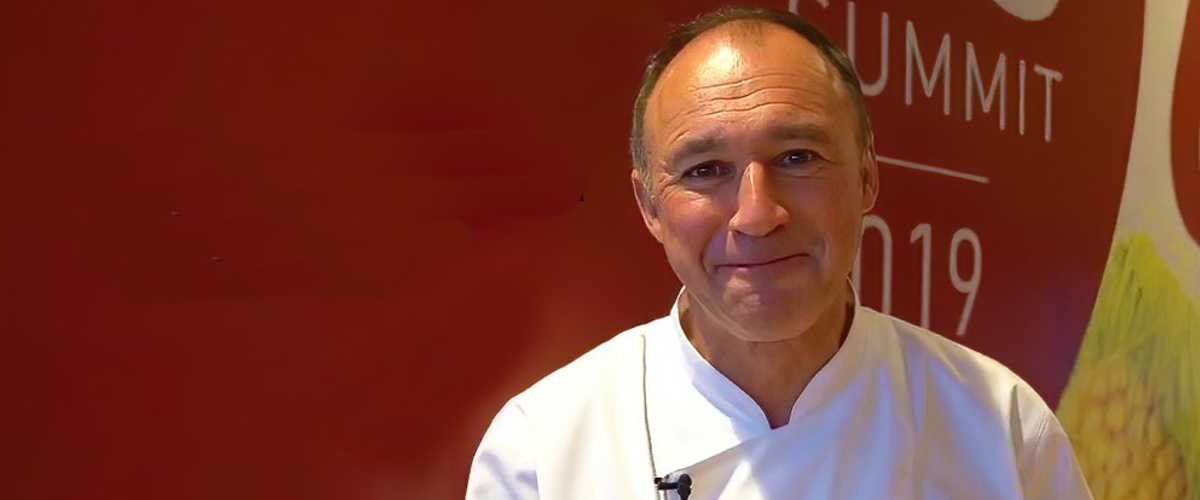 Dear Chefs , friends and colleagues I, like many of you out there, have spent and dedicated a life to the food and hospitality sectors, and as if our jobs as chefs wasn’t challenging enough, we now stir directly into the face of even greater adversity. As culinary creatives, artists, scientists, blended with a heavy dollop of hard labour and commonly referred to as chefs, we like to share our skills, offer experiences, excitement and make memories for our guests, more often than not, these are performed in challenging stressful working environments, short staffed, working long hours and not forgetting the low levels of compensation!, but we do it all too often because we love it! We embrace the service, demands, challenges, excitement and thrills that this industry can offer, whilst also having an eye on even greater opportunities, expansion, projects and goals. We work in an incredible diverse industry that has the ability to proudly place regions and towns on the British and even global culinary maps, an industry that allows new doors to open in new locations and even countries!. We work within one of the few industries that allows us to cross pollinate our skills in new regions and destinations, meet new people, increase our knowledge, embrace new cultures and culinary diversity in the process. All of the aforementioned has been pulled from under our feet, our doors closed , our restaurants and kitchens silenced , our lives as we know it cancelled until further notice. We are however humans and we have an incredible resilience , we do need to make a few adjustments and breath deeper than ever before, but we are also a very large community of special people, thousands of us in the same job, in the same position, with the same frustrations and there is no time like the present to join forces and to help each other when in need. Together we will all get through this and bounce back with new hope, vigour and determination, we may even appreciate all those things around us a little more of which we once took for granted, we may now understand the fragility of the earth and even those that we share it with!. We do however need to pull together to help those not covered in the governments furlough scheme, help those that may be looking for new jobs and positions later on or just help break the silence of the day with a friendly e-mail a shared joke or meaningless banter!. Take advantage of this period of rest and prepare to take to the stage as the performance of our lives is around the corner !. Stay well , stay safe and look forward to seeing you on the other side. Alan Coxon Alan Coxon, TV Chef / Presenter, Author, Speaker, Culinary Consultant WWW.ALANCOXON.COM Multi award winning TV Chef /Presenter, Author, Speaker, Culinary Consultant, Innovator, International Judge and British Ambassador for Food.